Focused arrival windows
Useful updates and clear arrival timing.
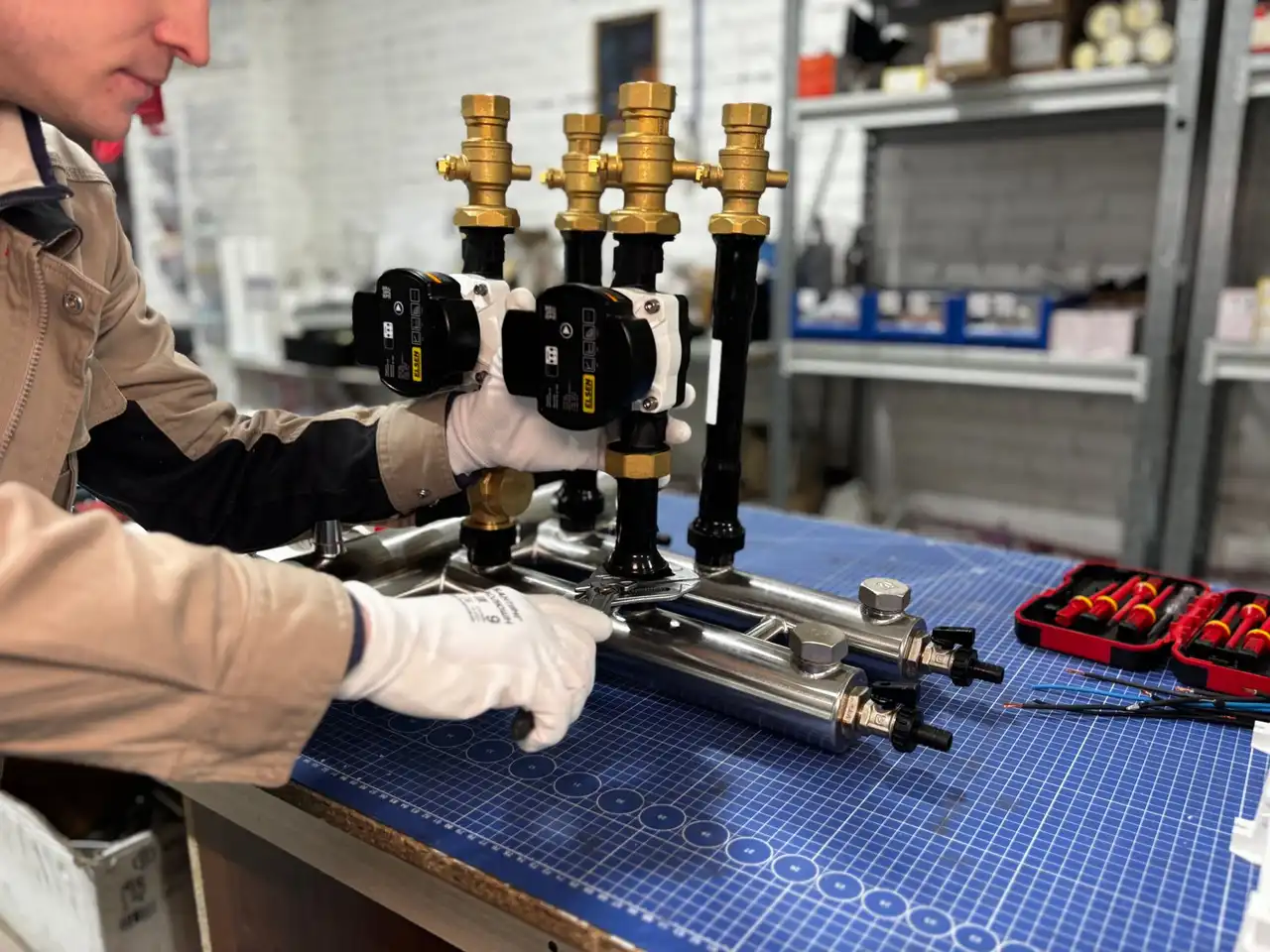
When your tank quits on a cold November morning, water heater repair Columbus OH homeowners trust means hot water back the same day. We diagnose gas, electric, and tankless systems, stock the parts that fail most, and price the job before we start. Serving Franklin County from German Village to Clintonville, our licensed plumbers handle everything from a failed anode rod to a cracked tank.
Useful updates and clear arrival timing.
Review the approach and price before deciding.
Equipped vehicles and respectful cleanup.
Neighbors serving neighbors with follow-through.
Every repair call covers the full diagnostic and the fix, not just a look-and-guess visit. Here is what comes standard, and what we handle as an add-on when the job calls for it.
We test gas pressure or element continuity, check the thermocouple or igniter, inspect the anode rod, and look for tank corrosion. You get a written explanation of what failed and why, not just a bill.
Thermocouples, heating elements, T&P valves, gas control valves, igniters, and anode rods are replaced with OEM or equivalent parts. We use pipe thread sealant and Teflon tape on every threaded joint.
Hard water in Columbus leaves scale that shortens tank life. We flush the tank or descale the tankless heat exchanger as part of the repair when sediment is a factor, so the fix actually holds.
We verify venting, T&P relief routing, gas connections, and electrical grounding against Ohio plumbing code. If something is out of spec, we tell you and quote the correction before we leave.
We refill, purge air, fire the burner or energize the elements, and confirm the unit holds temperature through a full cycle. You see it working before we pack up the tools.
Share what is happening and receive a clear next step from the local team.
Water heater repair Columbus OH is the diagnostic and mechanical work that restores a failing water heater to safe, reliable operation without replacing the whole unit. That covers a bad thermocouple on a gas burner, a tripped upper element on an electric tank, a scaled heat exchanger in a Navien or Rinnai tankless, a leaking T&P valve, or a corroded anode rod that has let the steel tank start rusting from the inside. We test, isolate, and fix the actual failure instead of guessing at parts.
Most Columbus calls start the same way: no hot water, rusty or metallic-tasting water, popping sounds from sediment, or a puddle spreading across the basement floor. In older German Village and Clintonville homes, hard water and 12-to-20-year-old tanks make those failures routine. If you are searching water heater repair near me Columbus OH after a cold snap, we treat it as urgent, because a tank that is already weeping can let go completely within days.
You call (800) 248 0204 and talk to a real person, not a call center. We ask the make, age, and fuel type of your unit, plus what you are seeing, so the tech arrives with the right parts. Two minutes on the phone saves a second trip.
The tech tests gas pressure or element continuity, checks the thermocouple or igniter, inspects the anode rod, and looks for tank corrosion. This takes 20 to 40 minutes and ends with a clear explanation of what failed and why.
You get the repair cost in writing before any work starts. If the fix is not worth it on an old tank, we tell you that too, and quote a replacement instead. You decide, we do not pressure.
Most repairs take one to three hours. We shut off the gas or breaker, drain what is needed, swap the failed component, and use pipe thread sealant and Teflon tape on every threaded joint. No shortcuts, no reused gaskets.
We refill, purge air, fire the burner or energize the elements, and confirm the unit holds temperature for a full cycle. Before we leave, we show you what failed, what we replaced, and how to keep it running.
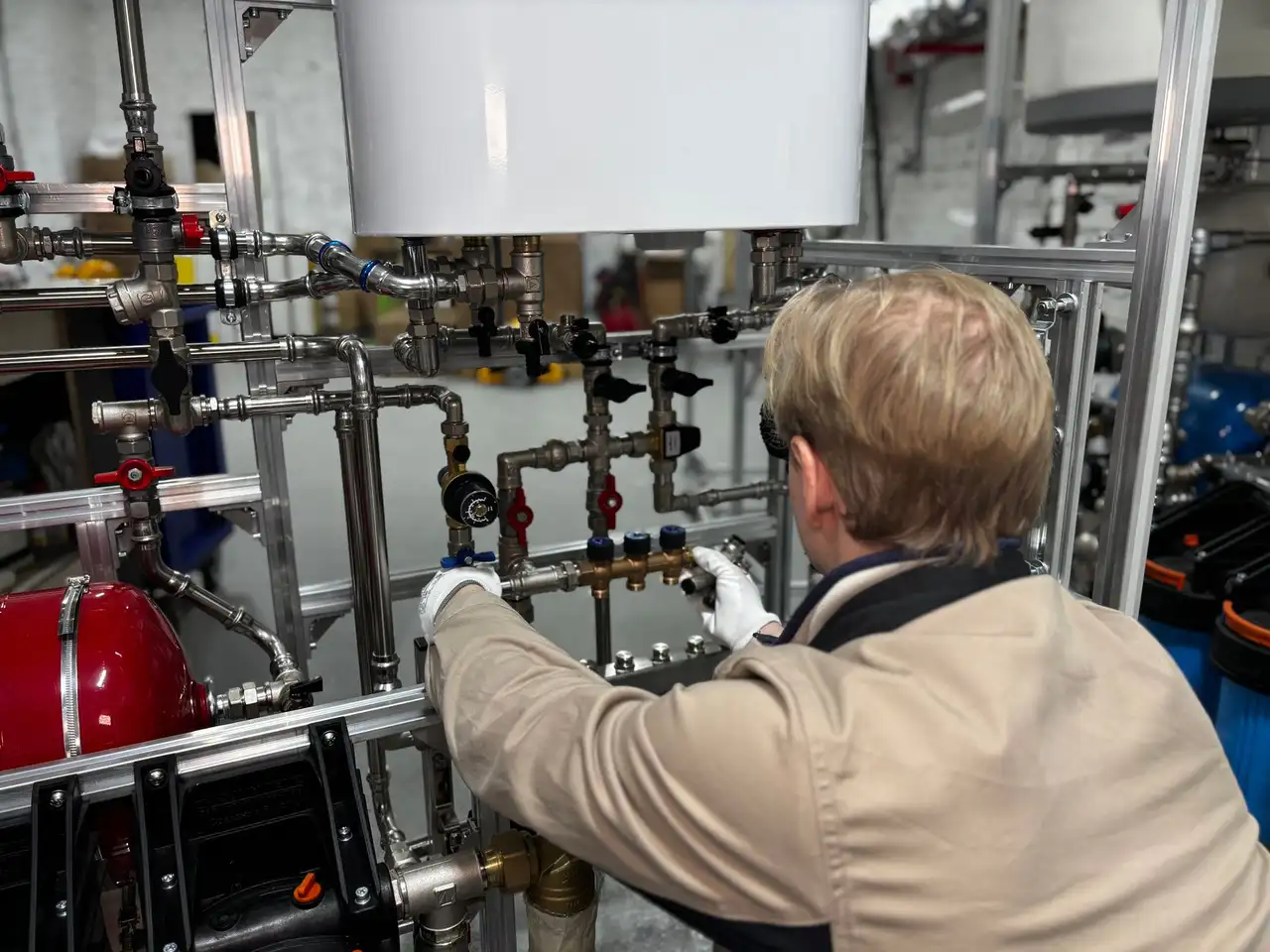
Used to break loose supply fittings and cut copper or PEX cleanly when a line or valve has to be replaced during the repair.
For copper pipe repairs and new fittings. The press tool lets us make leak-free joints without an open flame when the situation calls for it.
Pinpoints hidden leaks around the tank, T&P valve, and supply lines so we repair the actual source instead of guessing.
Multimeters, gas pressure gauges, and clamp meters used to test elements, thermocouples, igniters, and gas control valves accurately.
When a water heater leak drains near a floor drain, we confirm the drain line is clear and not contributing to the problem.
Every repair is checked against Ohio plumbing code for venting, T&P relief routing, gas connections, and expansion control. Code-correct work protects your home and passes inspection.
We pull and inspect the anode rod on every tank repair. It is the single best indicator of how much life is left in the tank, and replacing it early can add years of service.
For Navien and Rinnai units, we run a full descale with a circulation pump and manufacturer-approved solution. Columbus hard water makes this the most important maintenance step for tankless owners.
We refill, purge air, and run the unit through a full heating cycle before leaving. If it does not hold temperature, we do not call the job done.
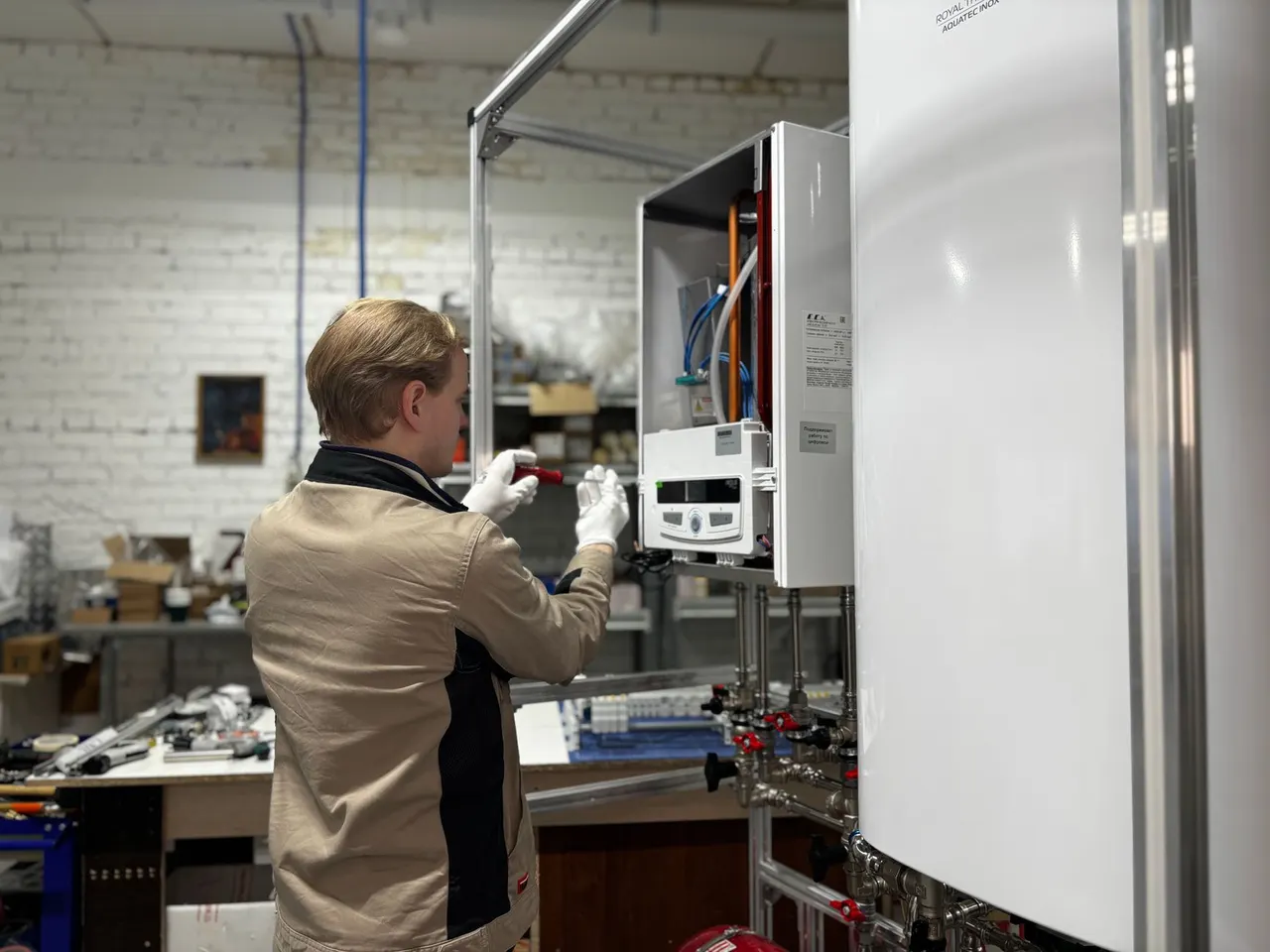
We run 24/7 emergency dispatch and treat holiday no-hot-water calls as priority. A tech arrives with thermocouples, igniters, and gas valves on the van, diagnoses the failure, and repairs it on the spot whenever the part is stocked. Hot water restored before the turkey goes in the oven, usually within a few hours of your call.
We pull the error code, inspect the heat exchanger for scale, test the igniter and flow sensor, and descale the unit. Columbus hard water makes this the most common tankless failure we see. The unit fires reliably again, and we show you the annual descale schedule that prevents a repeat.
We shut off the supply and gas or breaker immediately, drain the tank, and determine whether the leak is a fitting, T&P valve, or the tank shell. Repairable leaks get fixed; failed tanks get a same-day replacement quote. Water damage stopped fast, and you get a clear repair-or-replace answer with pricing in hand.
We test both heating elements and the upper and lower thermostats, check for sediment, and verify the breaker and wiring. A burned-out lower element is the usual culprit, and it is a same-day fix. Full tank capacity restored, with hot water lasting through every shower in the house again.
Columbus water is hard, and that single fact drives most of the water heater failures we see. Scale builds on elements and heat exchangers, sediment collects in tank bottoms, and anode rods wear out faster than the manufacturer's schedule suggests. Add cold Ohio winters that push heaters to work harder from November through March, and you get a service life that often runs shorter than the sticker on the tank. Older housing stock in German Village, Clintonville, and the surrounding Franklin County neighborhoods adds its own complications: tight basements, older gas lines, and venting that does not always meet current Ohio plumbing code. We handle gas water heater repair Columbus and tankless water heater service Columbus Ohio with the parts and tools to finish most jobs in one visit. If you are searching no hot water repair Columbus on a Sunday morning, we run 24/7 dispatch and treat it as urgent, because a tank that is already leaking can fail completely within days.
Brick rowhouses with tight basements and older gas lines. We plan for limited clearance and often need flexible venting solutions on replacements.
1920s to 1950s bungalows with original plumbing layouts. Water heaters here are often tucked in closets, so access and venting get extra attention.
Newer builds with tankless systems from Navien and Rinnai. Hard water makes annual descaling the key maintenance step for these units.
Mix of older and newer housing. We see plenty of electric tanks past the 10-year mark that need element or thermostat service.
Family homes with heavy daily hot-water demand. Sediment flush and anode rod service extend tank life significantly in this area.
Scale builds on heating elements and tankless heat exchangers, shortening equipment life and reducing efficiency. Annual descaling and sediment flushes are the best defense.
Incoming groundwater is colder, so heaters work harder and run longer to reach set temperature. This accelerates wear on aging units and makes winter the peak season for failures.
Tight basements, original gas lines, and outdated venting mean repairs often need code corrections alongside the fix. We quote those upfront, not after the fact.
A Clintonville homeowner had no hot water for two days. The burner would not stay lit, and a previous company quoted a full replacement at $1,900 without testing the thermocouple.
We tested the thermocouple, confirmed it was the failure, and replaced it for $240. The burner fired on the first try, and the unit held temperature through a full cycle before we left.
Maintenance: We recommended an annual sediment flush and a thermocouple check each fall, which keeps the burner reliable through the winter heating season.
A German Village family had a Navien tankless unit throwing an error code and shutting down mid-shower. Two other companies recommended replacing the entire unit.
We descaled the heat exchanger, replaced the igniter, and reset the unit. Total cost was $410, and the system has run without an error code for eight months since.
Maintenance: We set them on an annual descale schedule and showed them how to check the inlet filter monthly, which is the single best habit for tankless owners in hard-water areas.
A property manager in ZIP 43220 noticed a slow drip at the base of a 14-year-old electric tank. The unit was rusting at the seams and past its expected service life.
We confirmed the tank shell was compromised, quoted a same-day replacement, and installed a new Bradford White unit with a new expansion tank and T&P valve. Total was $1,650 installed.
Maintenance: We set the new unit on a 10-year replacement timeline and scheduled an annual anode rod inspection to protect the warranty.
A water heater rarely fails without warning. Here are the problems Columbus homeowners call us about most, and what happens if they get ignored.
Cold showers, no dishwasher, no laundry. On a gas unit, a failed thermocouple or igniter is usually the cause, and it can shut the burner down completely within a day. We test the thermocouple, igniter, and gas control valve, then replace the failed part on the spot. Most no-hot-water calls are fixed in a single 90-minute visit with parts already on the truck.
A weeping tank or T&P valve can flood a basement in hours. Water damage repairs often cost more than the heater itself, and mold can start within 48 hours. We shut off the supply, drain the tank, and identify whether the leak is a fitting, valve, or the tank shell. Fitting and valve leaks are repairable; a rusted-through tank gets a same-day replacement quote.
That color and taste means the anode rod is spent and the steel tank is starting to corrode. Left alone, the tank will fail within months, not years. We pull the old anode rod, inspect the tank interior, and install a fresh magnesium or aluminum rod. If corrosion has already reached the shell, we tell you straight and quote replacement.
Sediment has built up on the burner plate or elements. The unit works harder, runs longer, and burns more gas or electricity while shortening its own life. We flush the tank or descale the tankless heat exchanger, then check the elements and burner for damage. A $180 to $280 flush often adds years to a tank that was headed for early failure.
Our techs work on water heaters every day, not once a month. That means we have seen the same failures repeat across Columbus neighborhoods and know which brands, models, and install vintages are prone to them. We hold a state-licensed plumbing contractor credential, carry backflow prevention certification where required, and follow OSHA safety standards on every gas and electrical job. Our vans are stocked for Rheem, Bradford White, Kohler, and American Standard systems, and we keep Navien and Rinnai tankless parts on hand for the descale and igniter jobs that come up most in hard-water areas.
Most repairs run $180 to $650 in 2026, with the average around $320. A thermocouple or igniter swap sits at the low end, while a gas control valve or tankless heat exchanger service pushes toward the top. Tank replacement, if needed, runs $1,100 to $2,400 installed. We quote the exact number before any work starts.
The three most common causes we find are a failed thermocouple or igniter on gas units, a tripped or burned-out heating element on electric tanks, and sediment buildup that trips the high-limit switch. Hard water in Franklin County accelerates all three. A quick diagnostic tells us which one you are dealing with, usually within 30 minutes.
If the tank is under 10 years old and the repair is under $500, repair almost always wins. If it is past 12 years, rusting at the seams, or the repair tops half the cost of a new unit, replacement is the better call. We give you both numbers and let you decide, no pressure either way.
Most repairs take one to three hours on site. Thermocouple and element swaps finish in about 90 minutes. Tankless descale and igniter jobs run two to three hours. If we need a specialty part, we tell you at diagnosis and schedule the return visit around your availability.
Not seeing your question? Our local team can help you understand urgency, scheduling and what to expect.
Ask the local team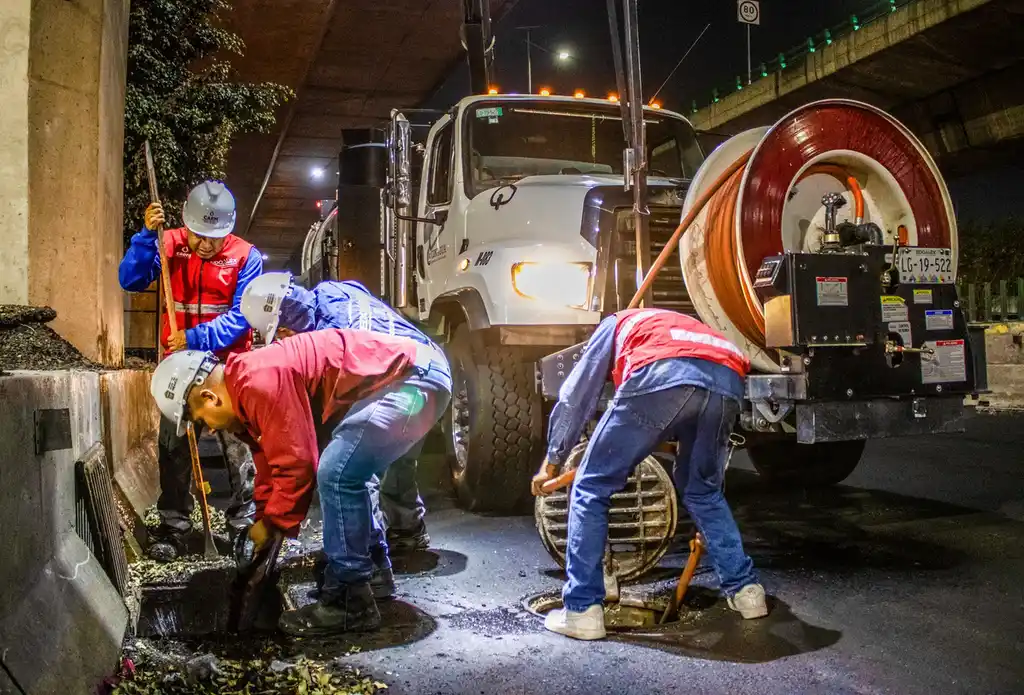
A water heater that bursts at 2 a.m. is an emergency, and so is a frozen pipe in January. Our 24/7 crew handles both, arriving with the tools to stop water damage fast and get your system back online.
View service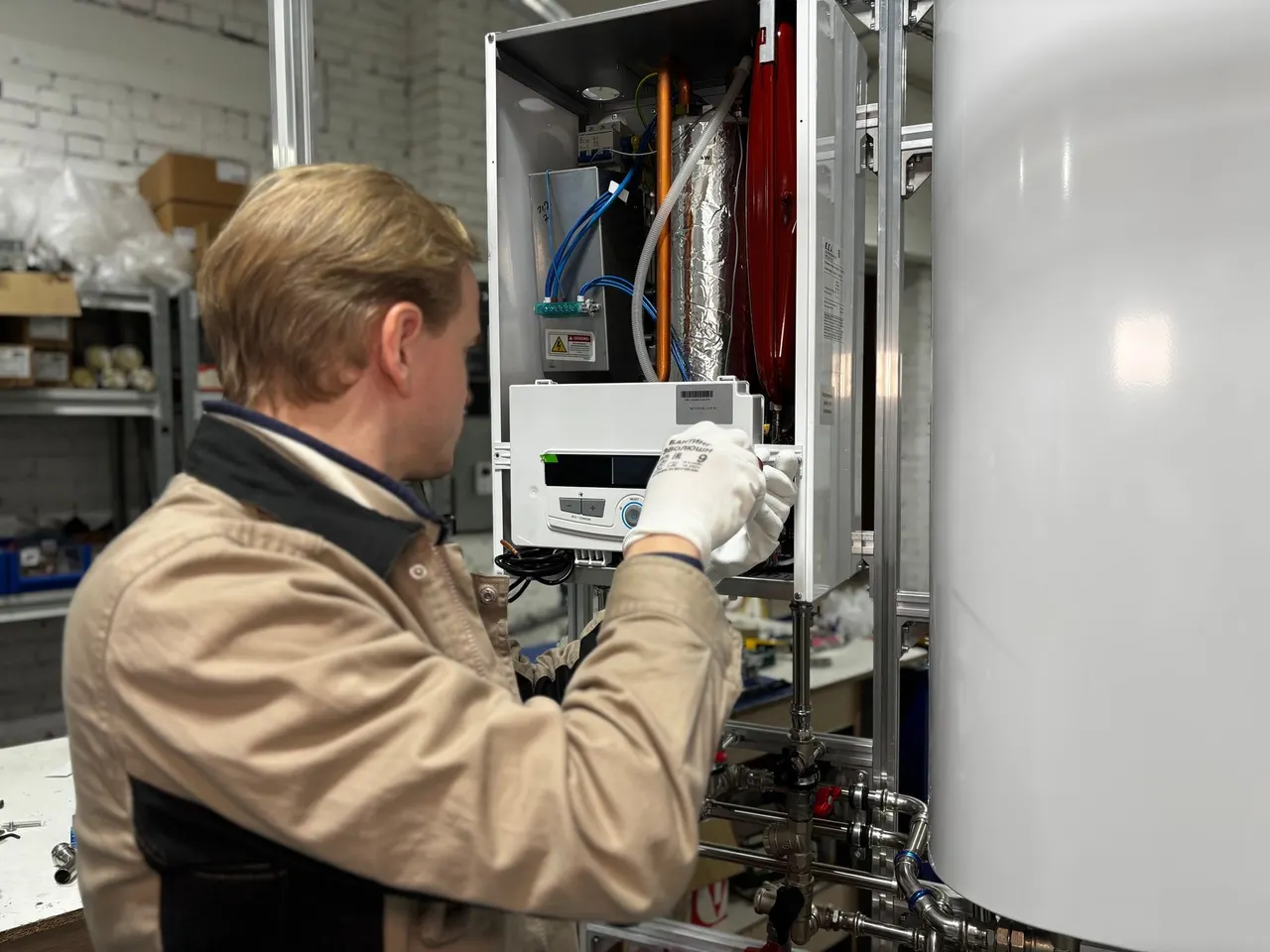
Sediment from a failing water heater often ends up in nearby drains. When a clog follows a repair, our drain snake and hydro jetter clear it the same visit so you are not booking two appointments.
View serviceWater heater leaks near a floor drain can mask a bigger sewer problem. We run a sewer camera to confirm the line is sound, and repair any root intrusion or collapsed section before it backs up into your basement.
View service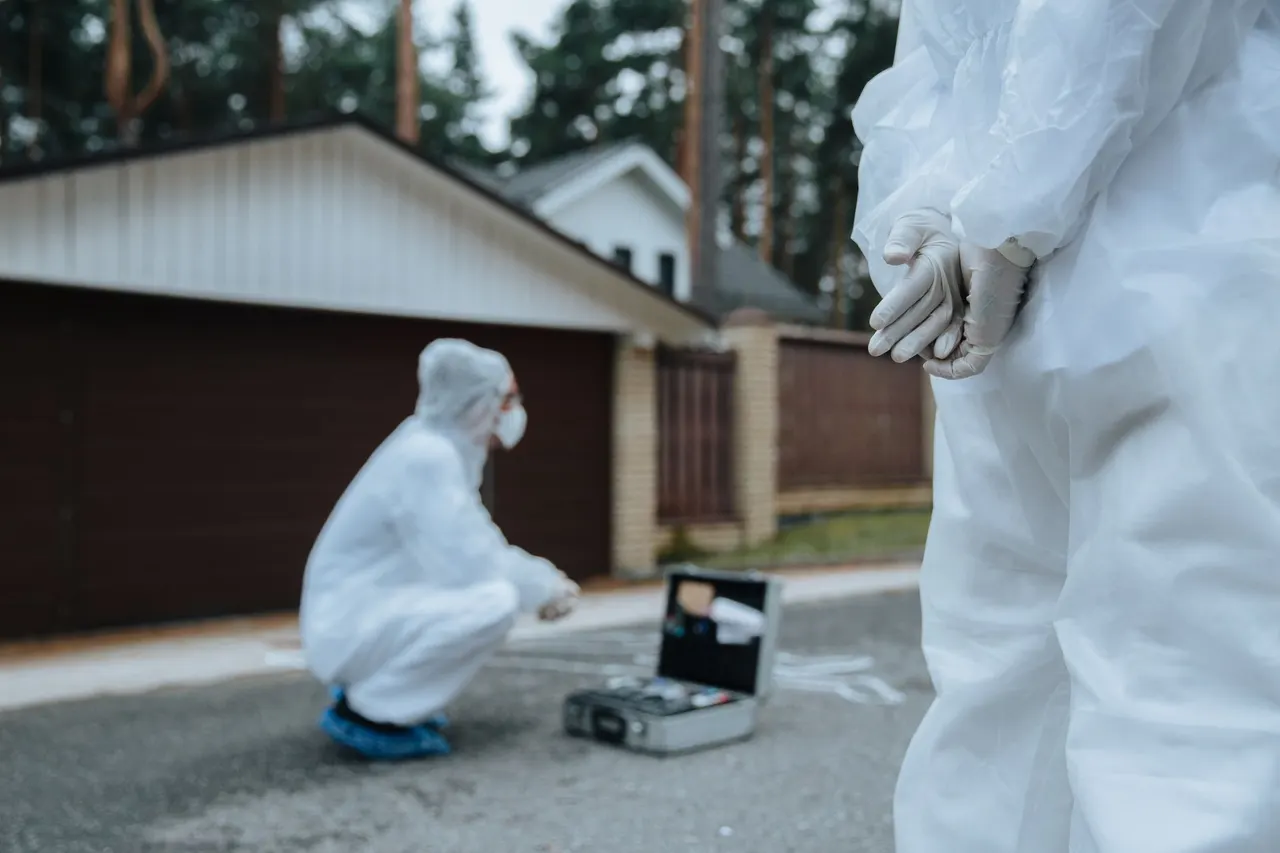
If you see water near the heater but cannot find the source, our leak detection equipment pinpoints it fast. We check the tank, fittings, T&P valve, and supply lines so the repair targets the real problem.
View service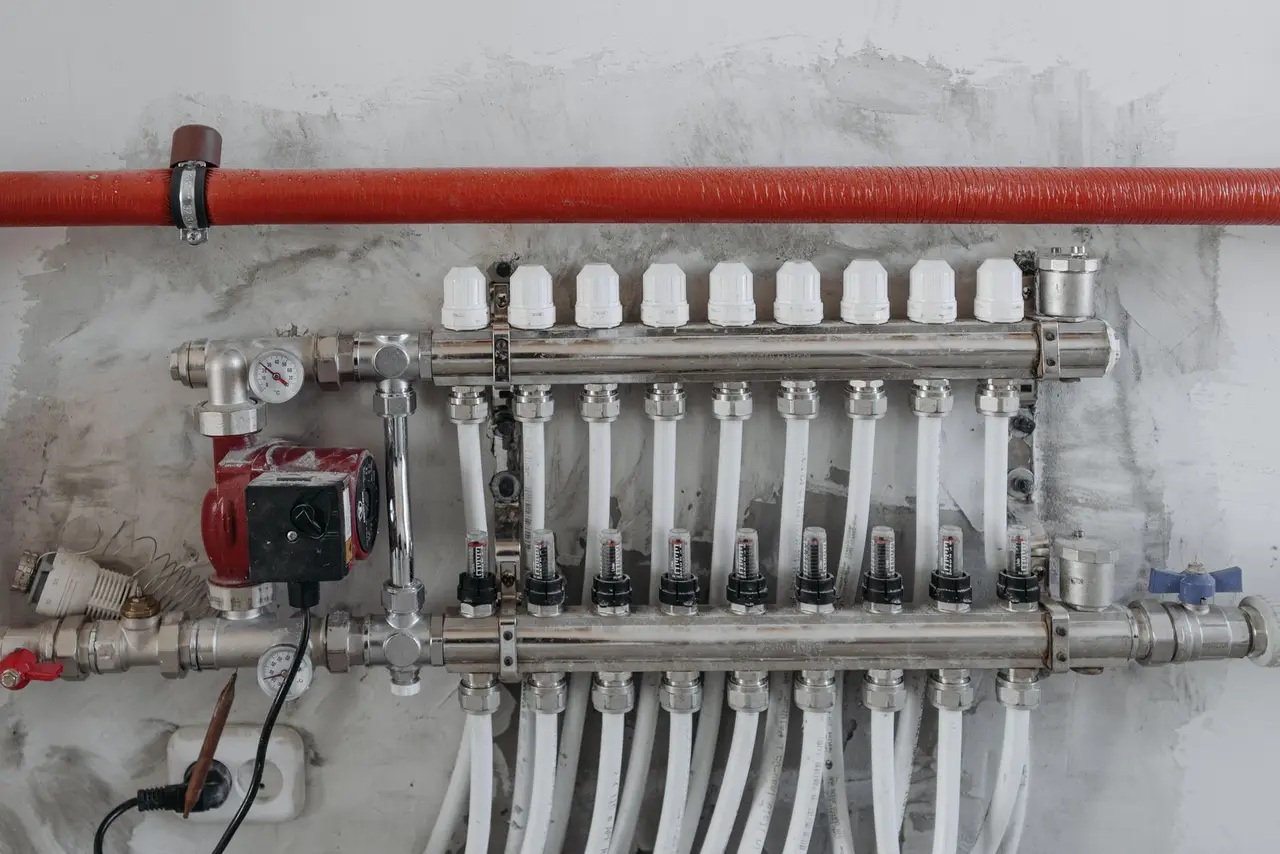
Call us at (800) 248 0204 or send an email to info@columbusplumbingexperts.com. We answer the phone 24/7 for emergencies and schedule regular appointments Monday through Friday. Most calls placed before noon get a same-day visit.