Focused arrival windows
Useful updates and clear arrival timing.
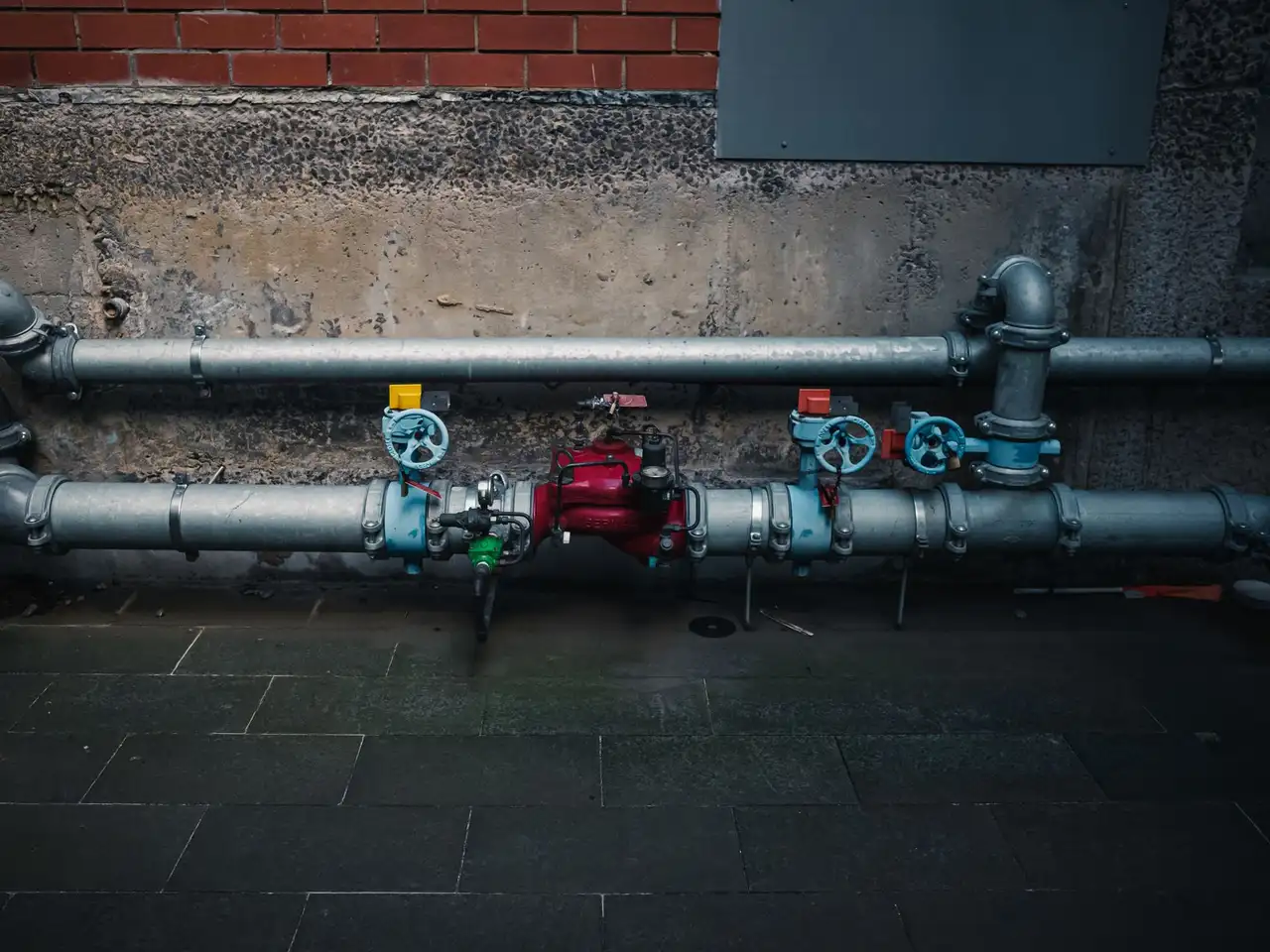
Leak detection services Columbus OH locate hidden water leaks before they wreck your floors, walls, or foundation. Whether you've got a spike in your water bill, a warm spot on the floor, or water pooling near the meter, our licensed plumbers use electronic leak detection and sewer cameras to pinpoint the source in one visit. We serve homeowners across Franklin County, from German Village to Clintonville, and we repair the line the same day we find it.
Useful updates and clear arrival timing.
Review the approach and price before deciding.
Equipped vehicles and respectful cleanup.
Neighbors serving neighbors with follow-through.
Every leak detection call covers the full diagnostic process, from pressure testing to confirmed location. If we find the leak and you approve the repair, we fix it the same day with parts already on the truck. Here's what's included in a standard visit.
We isolate the supply and drain systems, pressurize each one, and watch the gauge for drop. This tells us which side of the system is leaking and rules out false alarms from fixtures or appliances.
Acoustic listening equipment and thermal imaging cameras pinpoint the leak through concrete, drywall, or soil. We mark the spot on the surface so you can see exactly where the repair will happen before we cut.
On underground or drain-side leaks, we feed a camera through the pipe to look for cracks, root intrusion, or offset joints. You see the footage on screen, and we explain what we're looking at.
Once located, we cut out the failed section and install new copper or PEX with proper fittings and solder or press connections. Most repairs take one to three hours depending on access and depth.
After the repair, we re-pressurize the line and hold it for 15 minutes to confirm zero pressure drop. You get a walkthrough of the fix and a written warranty on the work before we pack up.
Share what is happening and receive a clear next step from the local team.
Leak detection services Columbus OH is a diagnostic plumbing service that uses acoustic listening equipment, thermal imaging, and pressure testing to find water leaks hidden under slabs, inside walls, or underground before any concrete gets cut. A technician isolates the affected line, pressurizes it, and tracks the drop to a precise point, usually within a few feet. That means we open one small section of floor instead of tearing up a whole room. Most residential jobs take two to four hours from arrival to confirmed location.
Columbus homes deal with leaks year-round, but the worst stretch runs from the first hard freeze in December through the spring thaw. Copper pipe and PEX tubing in older Clintonville and German Village houses expand and contract with our temperature swings, and joints that held fine in October start weeping by January. If you've been searching for water leak detection near me Columbus OH because your bill jumped $80 in a month, that's the pattern we see most. Clay soil and mature tree roots across Franklin County also push underground lines out of alignment, which is why underground leak detection Columbus calls spike every spring.
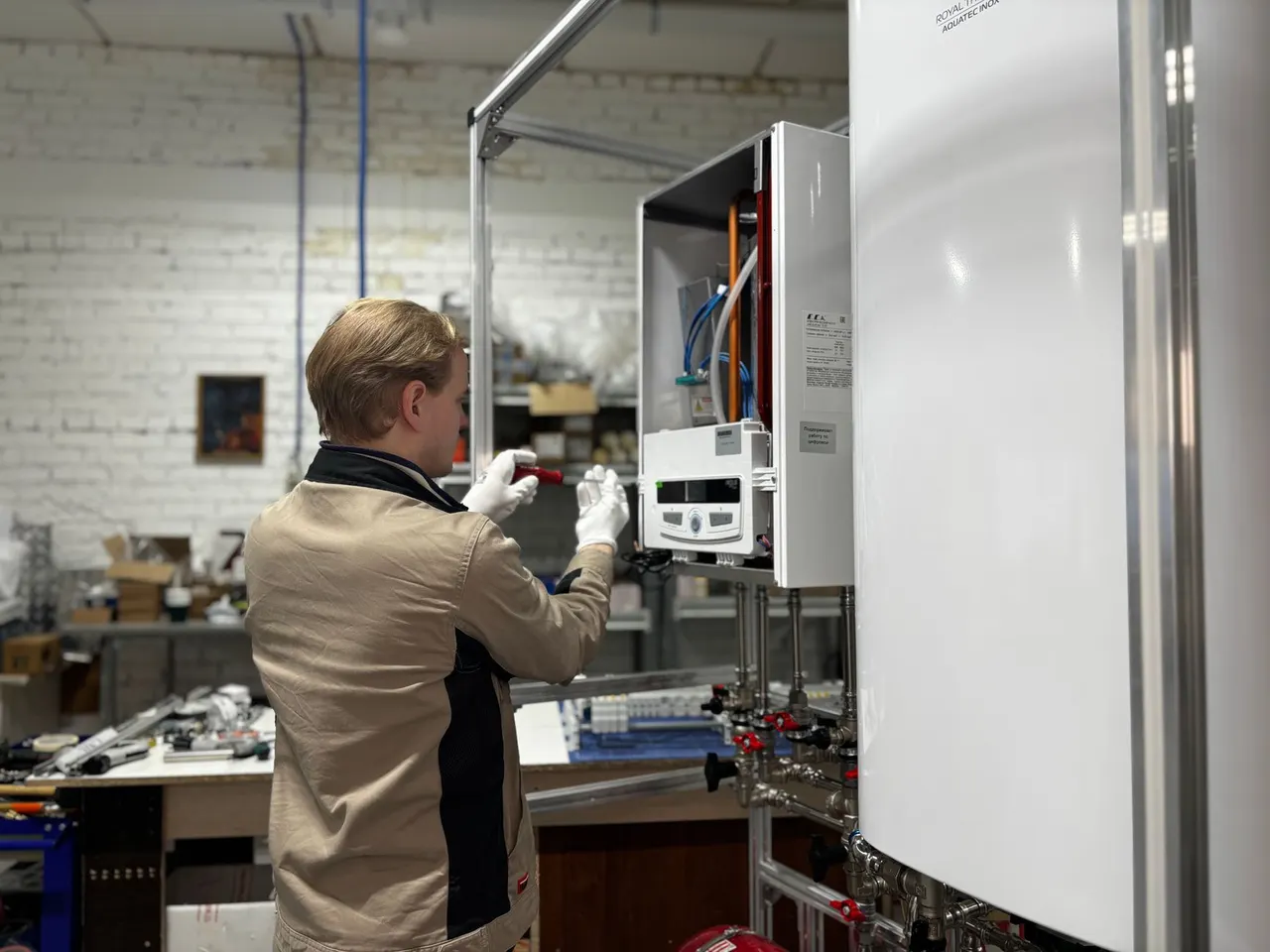
You call (800) 248 0204 and describe what you're seeing: high bill, wet spot, sound of running water with everything off. We ask a few questions to narrow it down and give you a two-hour arrival window. Emergency water leak repair Columbus calls get priority dispatch, including nights and weekends.
The tech shuts off the main, isolates the system, and pressurizes it with a gauge. If pressure drops, we know there's a leak. If it holds, the problem is on the supply side or the drain side, and we test each separately. This step takes 20 to 30 minutes and tells us exactly which system to chase.
We run acoustic listening discs and a thermal camera across the suspect area. The microphone picks up the hiss of escaping water through concrete, and the camera shows temperature differences where hot water lines are leaking. On underground lines, we feed a sewer camera through the pipe to spot root intrusion or a cracked joint.
Once we've got the spot, we mark it on the floor or wall with tape and confirm the depth. You see the mark before we cut anything. On slab leaks, we typically open a 12-by-12 inch access point rather than breaking up the whole room.
We cut out the failed section with a pipe cutter, install new copper or PEX with proper fittings, and solder or press the joint. Then we re-pressurize the line and hold it for 15 minutes to confirm zero drop. You get a walkthrough of the repair and a warranty on the work before we leave.
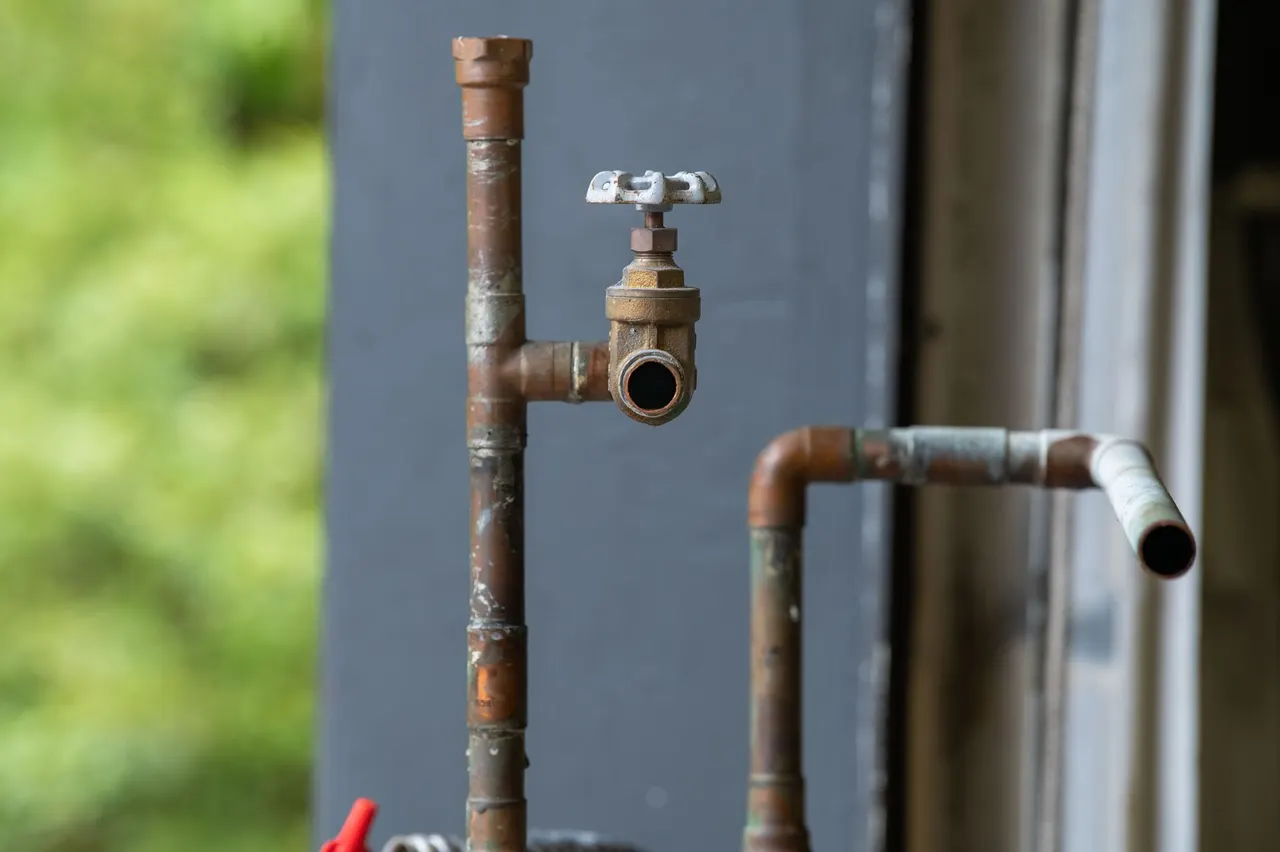
Picks up the sound of escaping water through concrete and soil to pinpoint the leak within a few feet. Essential for slab and underground detection.
Reads temperature differences on floors and walls to find hot water leaks and moisture behind drywall without opening the surface.
Feeds through drain and sewer lines to spot cracks, root intrusion, and offset joints. We show you the footage on screen before recommending a repair.
Clears debris and root mass from drain lines when a leak is caused by a blockage. We jet the line, then camera it to confirm the pipe is sound.
Cuts out the failed section cleanly and presses new fittings onto copper or PEX without an open flame in tight spaces.
Used for copper repairs where a soldered joint is the right call. We keep the flame contained and shield nearby surfaces.
We shut off the main, isolate the supply from the drain system, and pressurize each side separately. A pressure drop on one side tells us exactly which system is leaking, so we're not chasing the wrong pipe.
Two or more listening sensors are placed on the floor or wall, and the equipment calculates the leak point based on the time difference between signals. This gets us within inches on slab leaks.
We scan the suspect area with an infrared camera and look for temperature anomalies. Hot water leaks show as warm streaks; cold water leaks show as cool spots against ambient temperature.
Every repair is made to current Ohio plumbing code, using approved materials and fittings. We pressure test after the repair and document the work so it passes inspection if you ever sell the home.
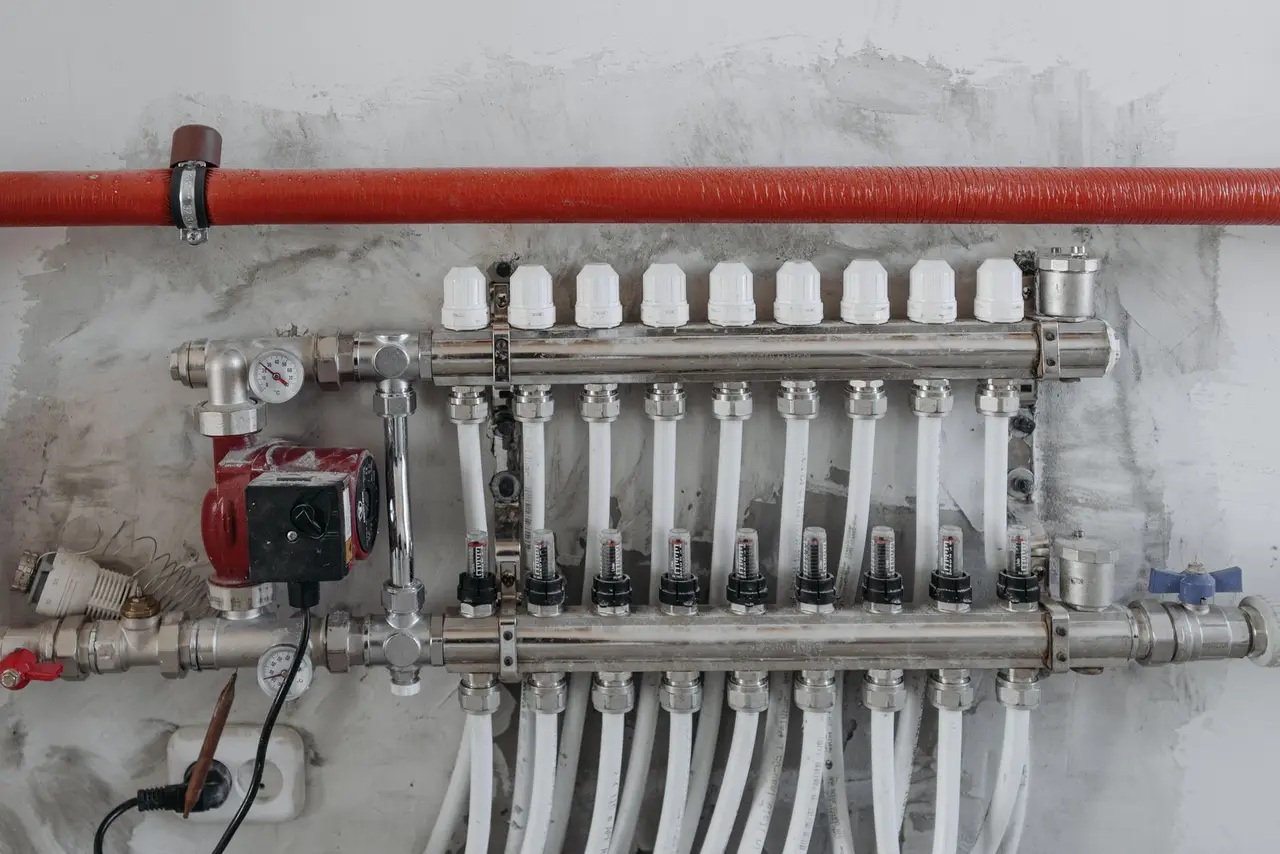
We pressure test the system, check the meter with all fixtures off, and use electronic detection to find the leak. Most high-bill calls trace back to a slab leak or a running toilet flapper, and we confirm which one in under two hours. You get a confirmed location, a same-day repair, and a water bill that returns to normal the next cycle.
That sound usually means a pressurized line is leaking. We dispatch an emergency tech, isolate the system, and locate the break with acoustic equipment. If it's a burst pipe, we shut it down and repair it on the spot. Water stops running, the repair is done before morning, and you avoid a flooded basement or crawlspace.
Warm spots point to a hot water slab leak. We use thermal imaging to trace the line, mark the leak point, and open a small access in the slab. The failed copper section gets replaced with new pipe and retested. The floor stops heating, the tile is saved, and the slab is repaired with minimal disruption to the room.
We run a full leak detection inspection before you close, including pressure testing, thermal imaging, and a sewer camera on the drain line. You get a written report with photos and a repair estimate if anything turns up. You know exactly what you're buying and can negotiate the repair cost into the deal or walk away with facts.
Columbus sits on clay-heavy soil that holds water and shifts with freeze-thaw cycles, which is hard on underground lines and slabs. Homes built before 1980 in German Village, Clintonville, and the 43220 ZIP code often have original copper pipe under the slab, and that copper corrodes from the inside out after 40 to 50 years. When the ground freezes in December and thaws in March, the soil movement stresses those pipes and joints start weeping. We see a spike in slab leak detection Columbus OH calls every February and March for exactly that reason. Newer builds in 43026 and 43054 use PEX, which handles movement better but can still fail at fittings. If you're searching for underground pipe leak repair Columbus OH, the fix usually involves isolating the line, locating the break with acoustic equipment, and replacing the failed section with materials rated for our soil conditions. We carry copper, PEX, and the fittings to match whatever is already in your home.
Brick streets and 100-year-old homes mean original copper lines under slabs. We know the layouts and where the shutoffs usually sit.
Mature trees and clay soil push underground lines out of alignment. Root intrusion on service lines is common here in spring.
A mix of 1960s ranches and newer builds. We see slab leaks in the older homes and fitting failures in the newer PEX systems.
Newer subdivisions with PEX supply lines. Leaks here usually trace to a failed fitting rather than pipe corrosion.
Ground movement stresses underground pipes and slab lines, causing joints to weep and copper to crack. This is our busiest season for leak calls.
Clay holds water against pipes and expands when wet, which shifts lines and accelerates corrosion on older copper.
Copper pipe thins from the inside out over decades. Homes in German Village and Clintonville are prime candidates for slab leaks.
Roots find small leaks and grow into them, widening the break. Spring is when we run the most underground detection calls.
A homeowner's water bill jumped from $65 to $180 in one month. The kitchen floor was warm in one spot, and the tile was starting to lift. A previous plumber told them the whole slab needed to come up.
We pressure tested the system, confirmed a hot water slab leak, and used thermal imaging to mark the exact spot. One 12-by-12 inch access, a new section of copper, and a 15-minute pressure hold later, the leak was fixed. The bill dropped back to $68 the next cycle.
Maintenance: Keep an eye on the water bill each month. If it climbs more than 15 percent with no usage change, call us before the floor shows symptoms.
A property manager got a call at 11 p.m. about water coming up through a basement floor. The meter was spinning with everything off, and the yard had a soggy patch near the sidewalk.
We isolated the service line, pressure tested it, and located the break with acoustic equipment. The repair crew excavated a 3-by-3 foot area, replaced the failed section of copper, and backfilled before morning. Water was back on by 6 a.m.
Maintenance: Watch for soggy patches in the yard after rain stops. If the ground stays wet for days, there's a line break underneath.
A musty smell had been building in the hallway for three weeks. The drywall felt damp near the bathroom, but no water was visible. The homeowner was worried about mold and a full tear-out.
Thermal imaging found a pinhole leak on a copper supply line inside the wall. We opened a 10-by-10 inch section, replaced the failed pipe, and retested. The cavity dried out in two days, and no mold remediation was needed.
Maintenance: Run a dehumidifier in the room for a week after a wall repair. Check the drywall for soft spots monthly for the first season.
A leak you can't see is the most expensive kind. These are the calls we run most often across Columbus and what happens when they get ignored.
A hidden slab or underground leak can waste 10,000 gallons a month, adding $80 to $150 to your bill and eroding the soil under your foundation. We pressure test the system, isolate the leaking line, and use acoustic equipment to pinpoint the break. Most hidden leaks are located within two hours and repaired the same day with new copper or PEX.
A hot water slab leak heats the floor above it and runs constantly, driving up both water and gas bills while it undermines the slab. Our thermal camera reads the temperature difference and traces the hot line to the exact leak point. We open a small access, replace the failed section, and retest the line before we leave.
A wall leak feeds mold inside the cavity, which spreads to adjacent rooms and can cost thousands in remediation if it runs for weeks. We use thermal imaging and moisture meters to find the leak without demolition. Once located, we open a small section, repair the pipe, and leave the cavity ready to dry and close.
An underground line break between the meter and the house can wash out soil, sink the yard, and run up a bill for months before it surfaces. We isolate the service line, pressure test it, and use acoustic locators to find the break underground. We excavate only the repair area, fix the pipe, and backfill the same day.
Our technicians hold Ohio plumbing licenses and carry backflow prevention certification where required. We train on the same RIDGID and Milwaukee leak detection equipment used by commercial contractors, and we keep current with Ohio plumbing code updates that affect how repairs are made inside slabs and walls. Every tech on our team has run hundreds of residential leak calls across Franklin County, from 1920s German Village brick homes to new-build subdivisions in 43220. We know what a slab leak sounds like through six inches of concrete, and we know when a leak is actually a failing water heater anode rod dripping into the pan.
Most residential leak detection calls in Columbus run $180 to $450, depending on whether we're chasing a slab leak, a wall leak, or an underground line. The detection fee covers pressure testing and electronic location. If we repair the leak the same day, the detection cost is often credited toward the repair. Emergency and after-hours calls carry a higher rate.
The clearest signs are a water bill that jumps 20 percent or more with no change in usage, the sound of running water when every fixture is off, warm spots on a slab floor, or a musty smell near a wall. Check your meter: if the dial moves with all water off, you have a leak. Call us and we'll confirm it the same day.
Yes. We use thermal imaging cameras and acoustic listening equipment to locate leaks inside walls without tearing them open. The camera reads temperature differences caused by escaping water, and the microphone picks up the sound of the leak through drywall. We mark the exact spot, then open a small section for the repair.
Slab leaks in Columbus usually come from three things: copper pipe corroding from the inside out after decades in our soil, ground movement that shifts the slab and stresses the pipe, and abrasive soil that wears through the pipe wall. Homes built before 1980 with copper under the slab are the most common call we get.
Not seeing your question? Our local team can help you understand urgency, scheduling and what to expect.
Ask the local team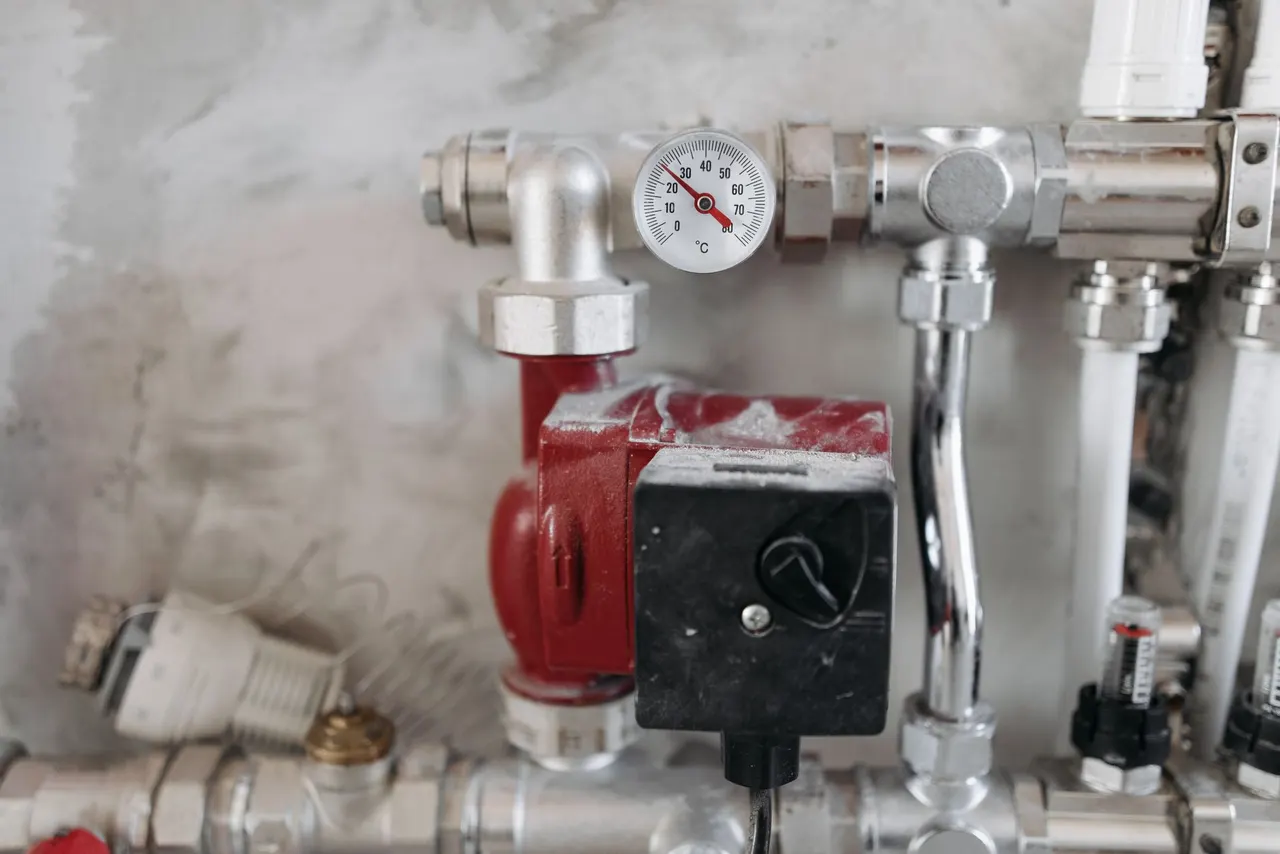
When a leak turns into a burst pipe at 2 a.m., our emergency team stops the water and makes the repair on the spot. We handle the same lines we detect, so you're not waiting on a second company to show up.
View serviceA slow drain and a hidden leak often show up together. We run a sewer camera to check for root intrusion and pipe damage while we're on site, then clear the line with a hydro jetter if needed. One visit covers both problems.
View service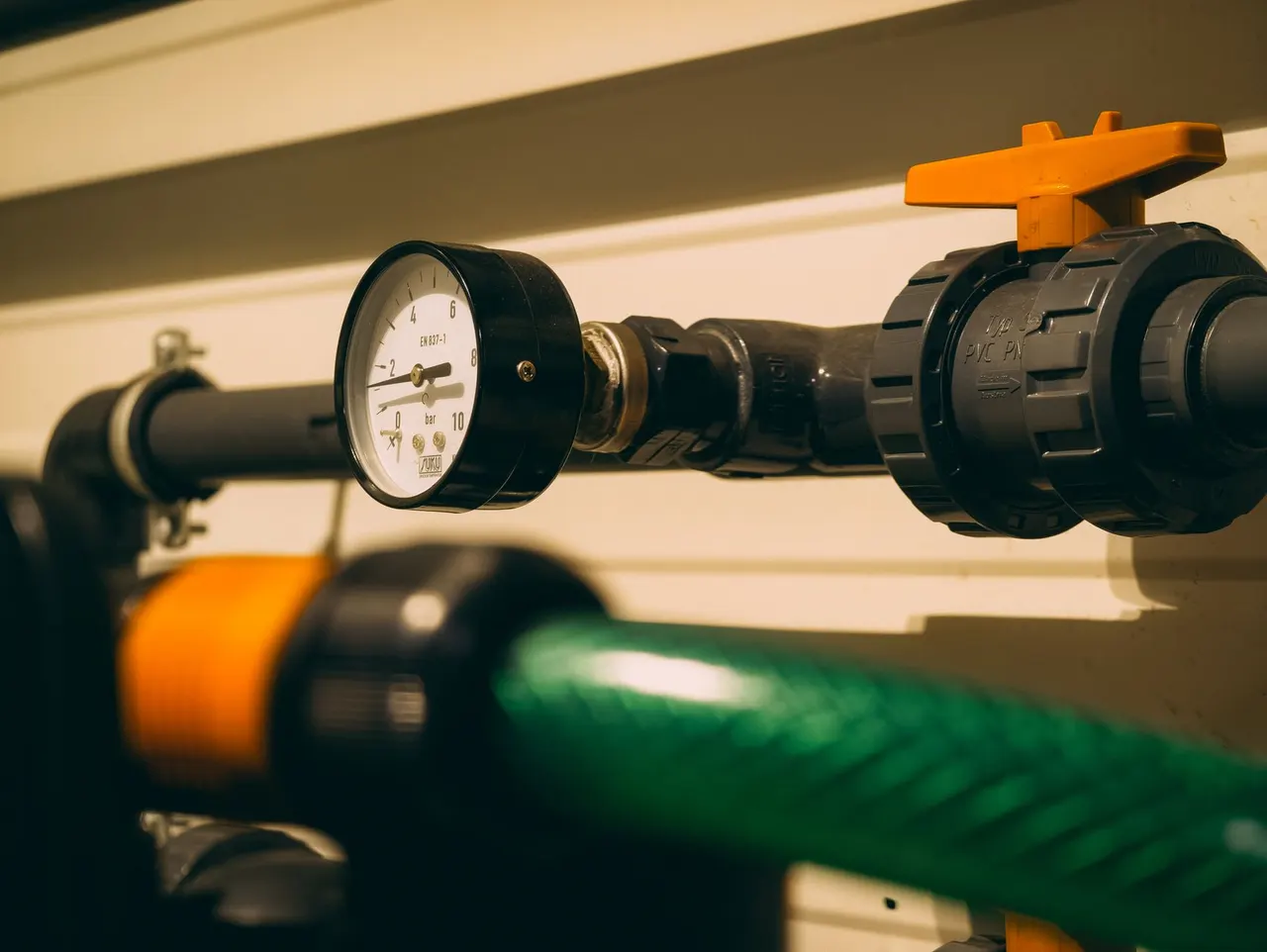
A leaking water heater pan is often mistaken for a slab leak. We test the tank, check the anode rod, and confirm whether the water is coming from the heater or the floor. If it's the heater, we repair or replace it the same day.
View service
Underground leaks on the sewer side need the same detection work as supply lines. We camera the line, locate the break or root intrusion, and repair or replace the damaged section. Columbus clay soil and mature trees make this a common spring call.
View serviceCall us at (800) 248 0204 or send an email to info@columbusplumbingexperts.com. We answer the phone 24/7 for emergencies and schedule regular appointments Monday through Friday. Most calls placed before noon get a same-day visit.