Focused arrival windows
Useful updates and clear arrival timing.
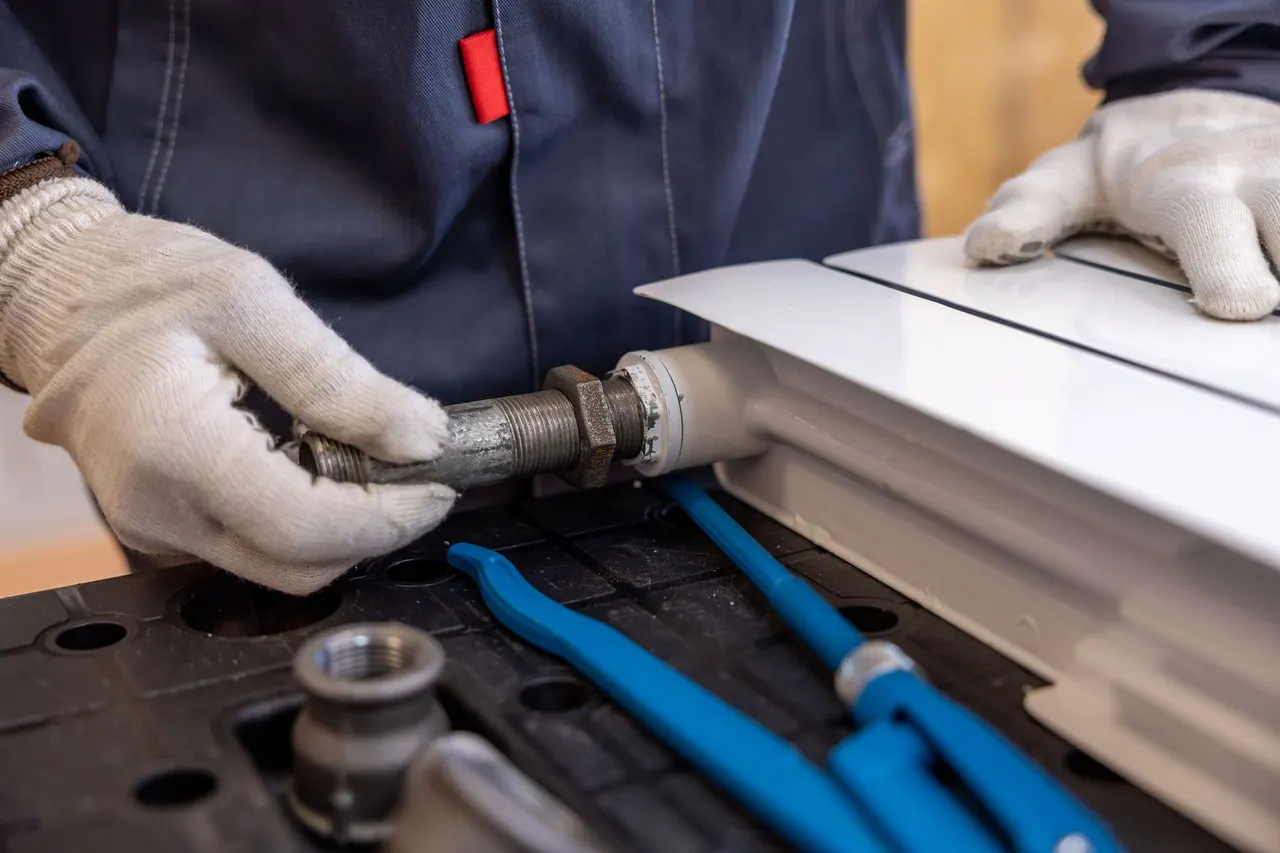
When your drains back up or the yard starts sinking, sewer line repair Columbus OH is the fix that stops the mess for good. We run a sewer camera down the line, show you exactly what is broken, and give you a straight price before we dig. From root intrusion to collapsed clay pipe, our crews handle it all across Franklin County, seven days a week.
Useful updates and clear arrival timing.
Review the approach and price before deciding.
Equipped vehicles and respectful cleanup.
Neighbors serving neighbors with follow-through.
Every job we quote includes the diagnosis, the repair, the permit, and the proof it works. Here is what is in the scope, so you know what you are paying for before we start.
We push a RIDGID SeeSnake camera through the cleanout and record the full run. You see the break, the roots, or the belly on screen, and we mark the depth and location on the surface. The footage is yours to keep, and it is what we quote from.
Spot repairs on PVC, ABS, or cast iron use shielded couplings and code-correct bedding. Full replacements run new PVC pipe from the house to the city main. Trenchless liners are installed where the existing pipe qualifies. All work meets Ohio plumbing code on slope and backfill.
We pull the City of Columbus or Franklin County permit, schedule the inspection, and meet the inspector on site. You get the signed-off paperwork in your folder. No job gets backfilled until it passes.
Before we close the trench, we run water through the new line and send the camera down again to confirm slope, flow, and joint alignment. If anything is off, we fix it before backfill. You see the second camera run too.
We backfill in lifts, compact the soil, and grade the surface so it drains. Sod or seed goes down on lawn cuts. Driveway and sidewalk cuts are patched to match. We haul off the old pipe and debris the same day.
Share what is happening and receive a clear next step from the local team.
Sewer line repair Columbus OH is the process of finding the exact break, clog, or collapse in the pipe that carries waste from your home to the city main, then restoring it so water and waste flow freely again. We start with a sewer camera inspection Columbus OH, push a RIDGID SeeSnake through the cleanout, and watch the footage on screen with you. That tells us whether you need a spot repair, a full sewer line replacement Columbus, or just a heavy-duty hydro jetter pass to clear roots and grease.
Most of the calls we run in Columbus come down to three things: tree roots in old clay tile, bellies where the pipe has settled, and grease or wipes clogging a line that was already half-blocked. German Village and Clintonville have a lot of pre-1950 housing stock with original clay laterals, and those pipes crack at the joints after decades of freeze-thaw cycles. If you have been searching sewer line repair near me Columbus OH because water is backing into the basement, we can be on site the same day.
You call (800) 248 0204 and describe what is happening: slow drains, gurgling toilets, sewage smell, or water in the basement. We ask a few questions to figure out whether it is a main line issue or a branch drain, then book a window. Most Columbus calls get a same-day or next-morning slot.
A technician arrives with a sewer camera and a drain snake. We locate the cleanout, feed the camera down the line, and record the footage. You watch the screen with us. If it is a simple clog, we snake or hydro jet it on the spot. If it is a break, we mark the depth and location on the surface.
We hand you a written scope with the repair method, the pipe material, the length of the run, and the total price. No hourly surprises, no change orders halfway through. You decide whether to go with a spot repair, a trenchless liner, or a full replacement, and we schedule the work.
On dig day we protect the work area, excavate or set the access pits, and make the repair. Spot fixes on PVC or ABS pipe usually take three to five hours. Trenchless sewer line replacement Columbus jobs run one to two days. We keep the trench covered and the site clean each night.
Before we backfill, we run water through the new line and re-camera it to confirm flow and slope. The city inspector signs off, we backfill and compact, and we walk the job with you. You get the camera footage, the permit sign-off, and the warranty paperwork in one folder.
Pushed through the cleanout to record the full run. We watch the footage live with you and mark the depth and location of any break, root mass, or belly on the surface.
Blasts grease, roots, and wipes out of the line at high pressure. Used before a camera run on clogged lines and after a repair to confirm flow. Safe on clay, cast iron, PVC, and ABS.
Cuts through root masses and soft blockages in branch drains and main lines. Used when the blockage is close to the cleanout and the camera confirms the pipe is intact.
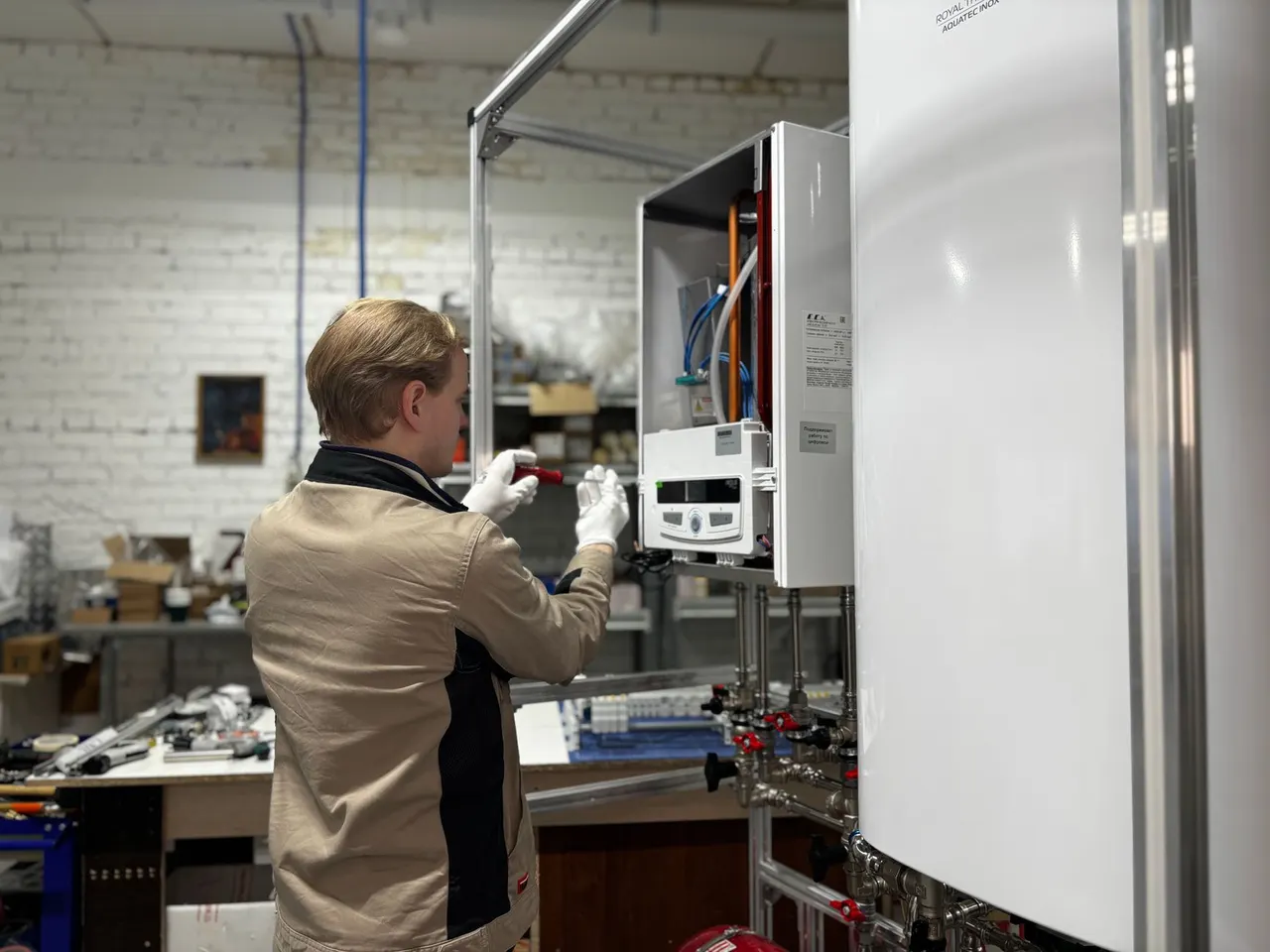
Cuts out failed sections of cast iron, clay, or PVC and sets new pipe with shielded couplings or press fittings. The press tool lets us make watertight joints fast on copper and PEX tie-ins.
Traces hidden water sources when a basement leak looks like a sewer problem but turns out to be a supply line or slab leak. Saves you from paying for a sewer dig you do not need.
Used for tight-access camera work and for verifying joint alignment after a repair. Compact enough to fit through a 2-inch cleanout when the main line access is limited.
Every job starts with a camera run. We do not quote a repair from a symptom. The footage tells us whether the line needs a spot fix, a liner, or a full replacement, and it gives you proof of what is underground before anyone digs.
A resin-saturated liner is pulled through the old pipe and inflated against the walls, then cured in place. The result is a new pipe inside the old one, installed from two small access pits. Most residential runs finish in one to two days.
A bursting head pulls new HDPE pipe through the old line, breaking the old pipe outward as it goes. Used when the existing pipe is too deteriorated for a liner but the run is a good candidate for trenchless. Same two-pit access.
When the pipe is too far gone or the run has multiple failures, we excavate and install new PVC on compacted bedding at the correct slope. Ohio plumbing code governs the bedding, slope, and backfill, and we meet it on every job.
We run a camera inspection, document the condition on video, and quote the repair in writing. If the line qualifies, we install a trenchless liner in one to two days so the sale stays on schedule. The buyer gets a repaired, camera-verified line, and you close on time with the paperwork in hand.
We camera the main line, find the blockage or belly, and clear it with a hydro jetter. If the camera shows a break, we quote a spot repair and schedule it within the week. The drain handles the washer load again, and you know exactly what shape the line is in.
We respond same day, camera the line, and isolate the problem. If it is roots, we jet and cut them out. If it is a break, we quote the repair and coordinate with the tenant on scheduling. Tenants get working drains, you get camera footage and a written scope, and the repair is done before it becomes an emergency.
Call (800) 248 0204. We roll an emergency crew, isolate the backup, and stop the flow. Once the immediate mess is contained, we camera the line and plan the permanent repair. The backup stops the same night, and you have a clear plan and price for the fix by morning.
Columbus sits on a mix of clay soil and older infrastructure, and that combination drives most of the sewer work we do. The freeze-thaw cycle from December through March moves the ground, and clay tile joints that were fine in October can offset by February. German Village and Clintonville have some of the oldest laterals in the city, many still original clay tile from the 1920s and 30s. Newer builds in the 43026 and 43054 ZIPs use PVC, which fails differently: bellies from poor bedding and root intrusion at the joints. We camera every line before we quote, because the fix for a 1920s clay line is not the same as the fix for a 1990s PVC run. If you are searching for trenchless sewer line replacement Columbus Ohio, we will tell you straight whether your pipe qualifies or whether dig-and-replace is the honest answer. Permits come from the City of Columbus or Franklin County depending on the address, and we handle both.
Original clay tile laterals from the 1920s and 30s, often under brick walkways and mature trees. Trenchless options matter here because digging up a brick path is expensive to restore.
A mix of 1920s clay and 1950s cast iron, with large maples and oaks whose roots find every joint. Root intrusion is the most common call we get in this neighborhood.
Newer PVC lines from the 1980s and 90s, with bellies from settling soil and roots at the joints. Camera inspection usually shows a low spot rather than a break.
Larger lots with longer lateral runs, sometimes 100 feet or more. Depth and length drive the cost here, and trenchless liners save the most on these jobs.
Clay tile joints offset and crack as the soil expands and contracts. Lines that passed inspection in fall can fail by spring. We see a spike in emergency calls in January and February.
Roots from maples, oaks, and sycamores find the joints in clay and cast iron pipe. Root intrusion is the single most common cause of backups we diagnose in German Village and Clintonville.
Water sits in the trench and softens the bedding under the pipe, which causes bellies and low spots. A belly traps waste and turns a slow drain into a recurring backup.
Cast iron from the 1950s and 60s scales and rusts from the inside, narrowing the pipe over decades. By the time it backs up, the walls are often too thin for a liner, and replacement is the right call.
A 1948 house with original clay tile and a 60-foot run to the main. The basement floor drain backed up every time the washing machine drained. Camera showed a root mass at 47 feet and a cracked joint at 52 feet.
We jetted the roots out, cut out the cracked section, and installed a new PVC repair with shielded couplings. Flow test and re-camera confirmed a clear line. Total job time: five hours. Cost: $2,400.
Maintenance: We recommend a camera check every 18 months and an annual root treatment if trees are within 10 feet of the line. That keeps the roots from finding the new joint.
A 1921 house with a collapsed clay section under a brick walkway. The yard was sinking, and the first-floor toilet gurgled when the shower ran. Digging the walkway would have cost thousands to restore.
We installed a cured-in-place liner from two small access pits, one at the house and one at the curb. The walkway stayed intact. The job took two days, passed inspection on day three, and cost $9,800.
Maintenance: No root treatment needed on a lined pipe, but we suggest a camera check at year five to confirm the liner is seated. Most liners carry a 10-year warranty.
A 1955 ranch near 43220 with original cast iron that had scaled down to half its diameter. Backups were monthly, and the camera showed rust-through at three joints. A liner was not an option on pipe that thin.
We replaced the full 55-foot run with new PVC on compacted bedding at code slope. The job took three days including inspection. Cost: $8,200. The homeowner has not had a backup since.
Maintenance: New PVC on proper bedding should last 50 years or more. We suggest a camera check every three to five years and avoiding flushing wipes or grease, which are the two biggest causes of clogs in new pipe.
Most sewer calls fall into a handful of patterns. Here is what we see most often, what happens if you wait, and how we fix it.
Roots grow into the joint, catch paper and grease, and turn a slow drain into a full backup within weeks. Left alone, the roots widen the joint until the pipe cracks. We camera the line to find the root mass, cut it out with a drain snake or hydro jetter, then decide between a spot repair and a liner. If the joint is cracked, a spot repair with a shielded coupling restores the pipe and keeps roots out.
A collapsed section blocks the whole run. Waste backs into the lowest drain in the house, usually a basement floor drain or a laundry tub. The ground above often sinks into the void. Collapsed sewer line repair Columbus OH means digging to the failure, cutting out the crushed section, and replacing it with new PVC on fresh bedding. If the rest of the line is sound, a spot fix is enough. If the whole run is failing, we quote a full replacement.
If the line backs up every time it rains, the issue is often a belly, a partial blockage, or a root mass that swells when the ground is saturated. It will not clear on its own. We camera the line during the backup and find the low spot or blockage. A hydro jetter clears grease and roots, and a camera confirms whether the pipe needs a repair. Many of these turn out to be cleaning jobs, not replacements.
A sewer smell means gas is escaping through a broken joint, a dry trap, or a cracked pipe. It is a health issue and often the first sign of a bigger break underground. We smoke-test or camera the line to find the source, then repair the failed joint or section. If the smell traces to a cracked cast iron line under the slab, we plan the repair and get it done before the pipe fails completely.
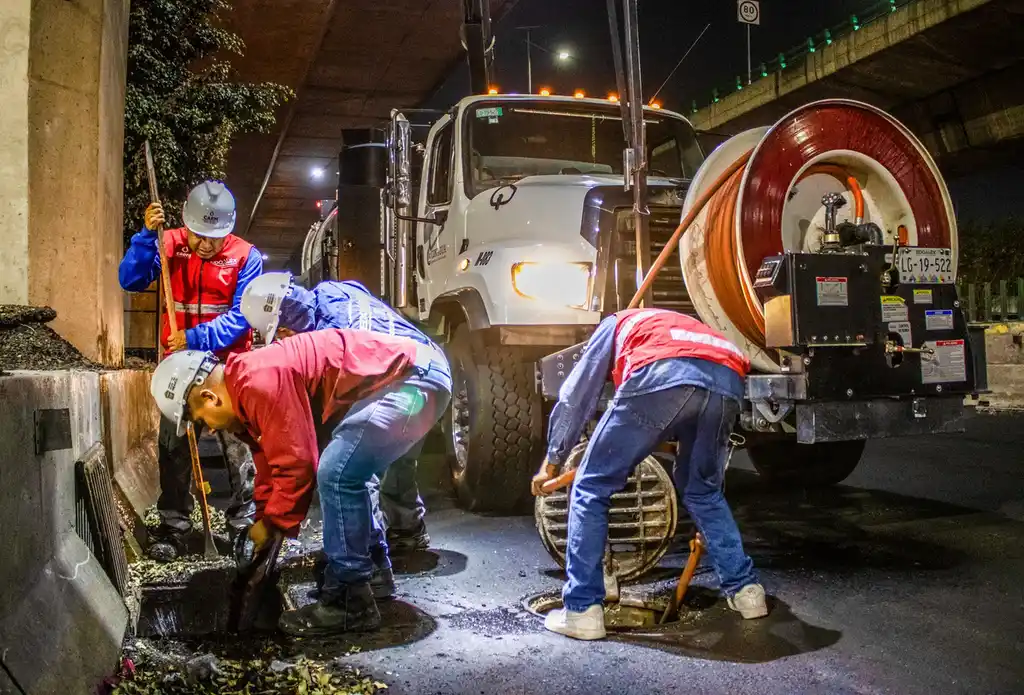
Our technicians hold Ohio plumbing licenses and carry backflow prevention certification where the job requires it. We work on clay tile, cast iron, Orangeburg, PVC, and ABS pipe every week, and we know how each one fails. Every repair crew runs a RIDGID sewer camera and a Milwaukee inspection scope, and we keep a hydro jetter on the truck for root and grease work. We follow Ohio plumbing code on slope, bedding, and backfill, and we pull permits on every lateral job in Franklin County. You see the problem on screen, you see the fix on screen, and you keep the footage.
Most spot repairs in Columbus run $1,200 to $3,500 in 2026, and full replacements run $6,000 to $12,000 depending on length and depth. The camera inspection is the biggest variable: a shallow PVC break is a quick fix, while a 6-foot-deep clay line under a driveway adds excavation cost. We give you a written price after the camera run, before any digging starts.
Tree roots, freeze-thaw movement, and aging clay tile cause most of the damage we see. Columbus has a lot of mature maples and oaks, and their roots find the joints in clay pipe within a few seasons. Add decades of ground movement and the joints offset, the pipe bellies, and waste stops flowing. Cast iron from the 1950s and 60s also scales and rusts from the inside out.
Yes. We run cured-in-place liners and pipe bursting on qualifying lines, which means two small access pits instead of a full trench across the yard. Most residential runs of 40 to 80 feet are done in one to two days. We camera the line first to confirm the pipe can take a liner, and we tell you honestly when dig-and-replace is the better option.
A standard residential replacement takes two to four days from dig to final inspection. Trenchless jobs usually finish in one to two days. The city inspection adds a day on most permits. We keep the trench covered overnight, and we do not backfill until the line passes a flow test and a re-camera check.
Not seeing your question? Our local team can help you understand urgency, scheduling and what to expect.
Ask the local team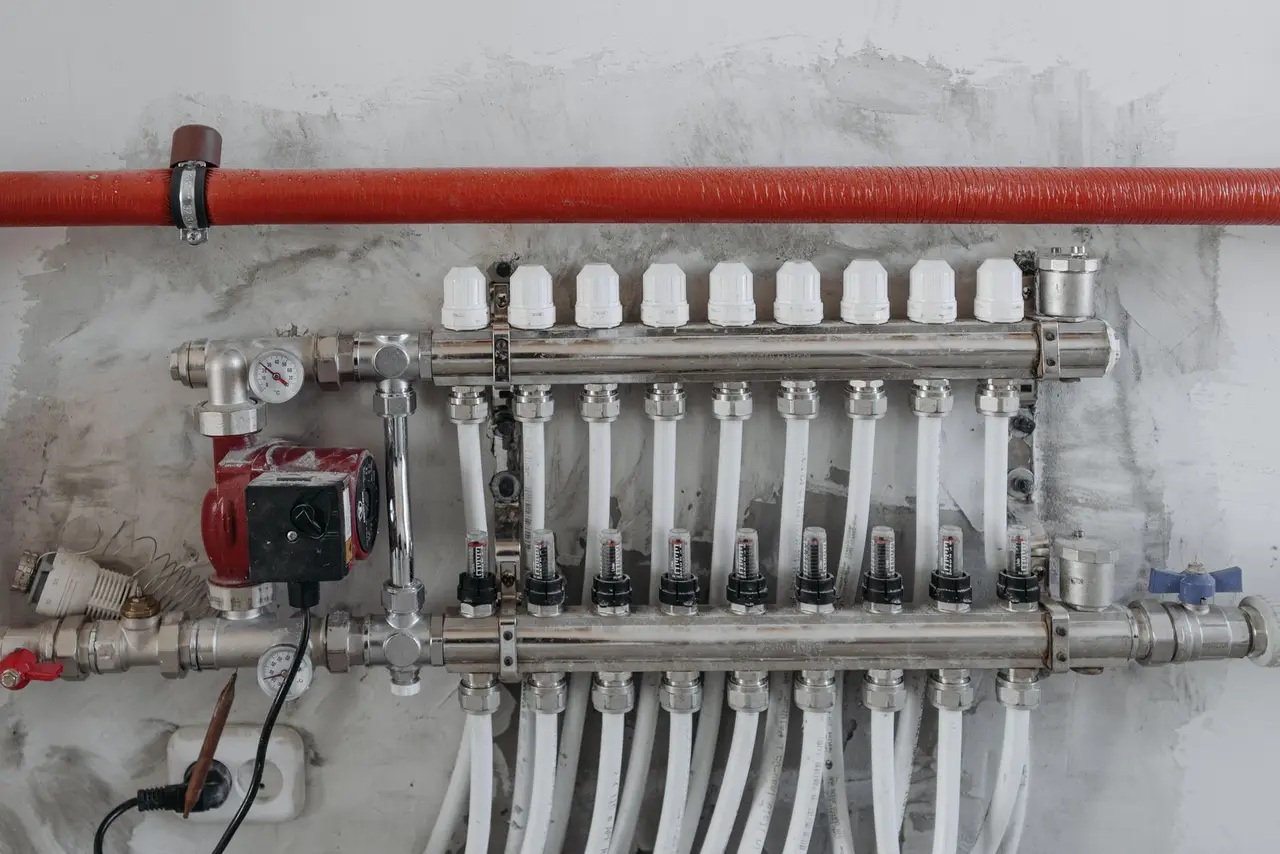
Sewage backups and burst lines do not wait for morning. Our emergency crews roll 24/7 across Columbus, isolate the problem, and stop the damage before it spreads. If your sewer is backing up right now, this is the fastest path to a dry floor.
View service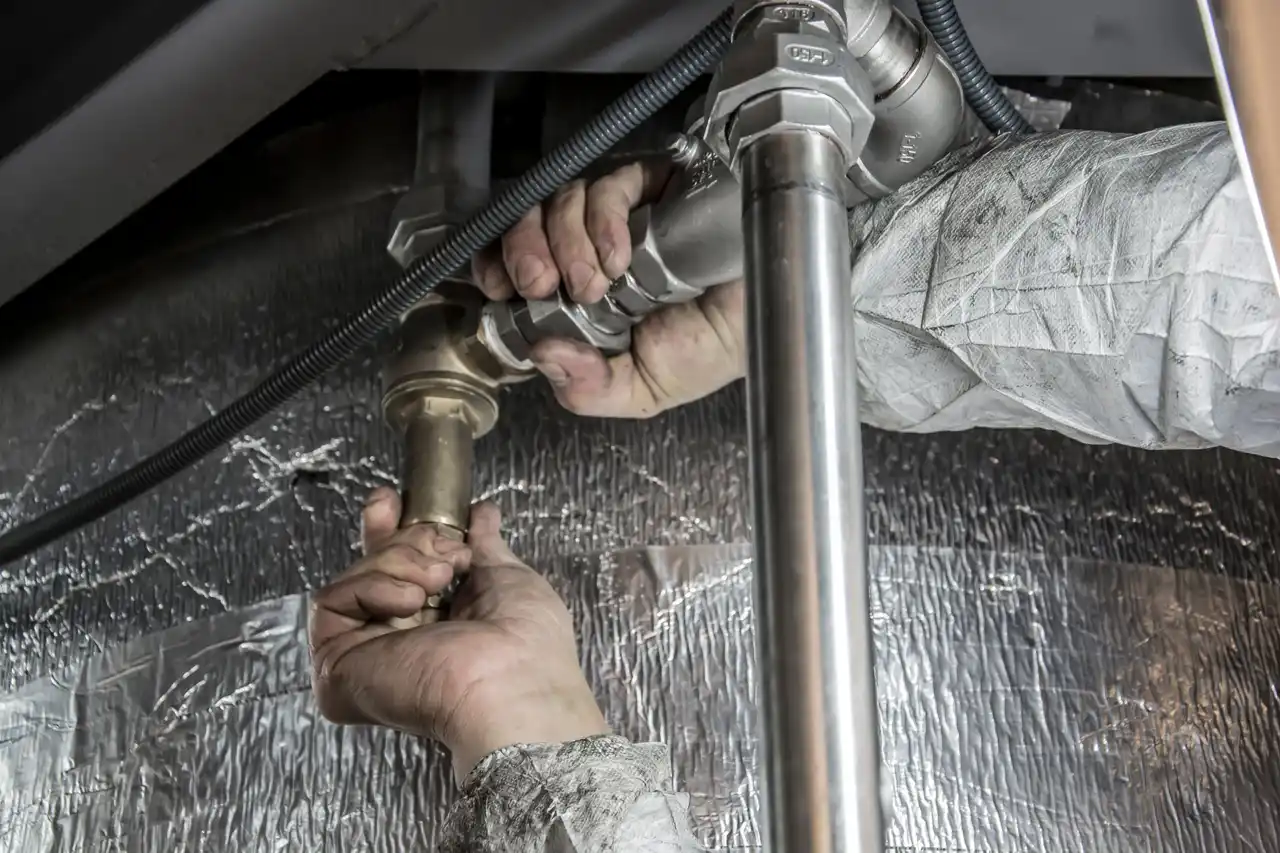
Sometimes the line is not broken, it is blocked. We hydro jet grease, roots, and wipes out of main lines and branch drains, then camera the pipe to confirm it is clear. Many backups we get called for turn out to be a cleaning job, not a repair.
View serviceSewer work and water heaters often go together on older Columbus homes. If your tank is leaking or you are out of hot water, we diagnose and repair Rheem, Bradford White, Navien, and Rinnai units, and we can handle both jobs on one visit.
View service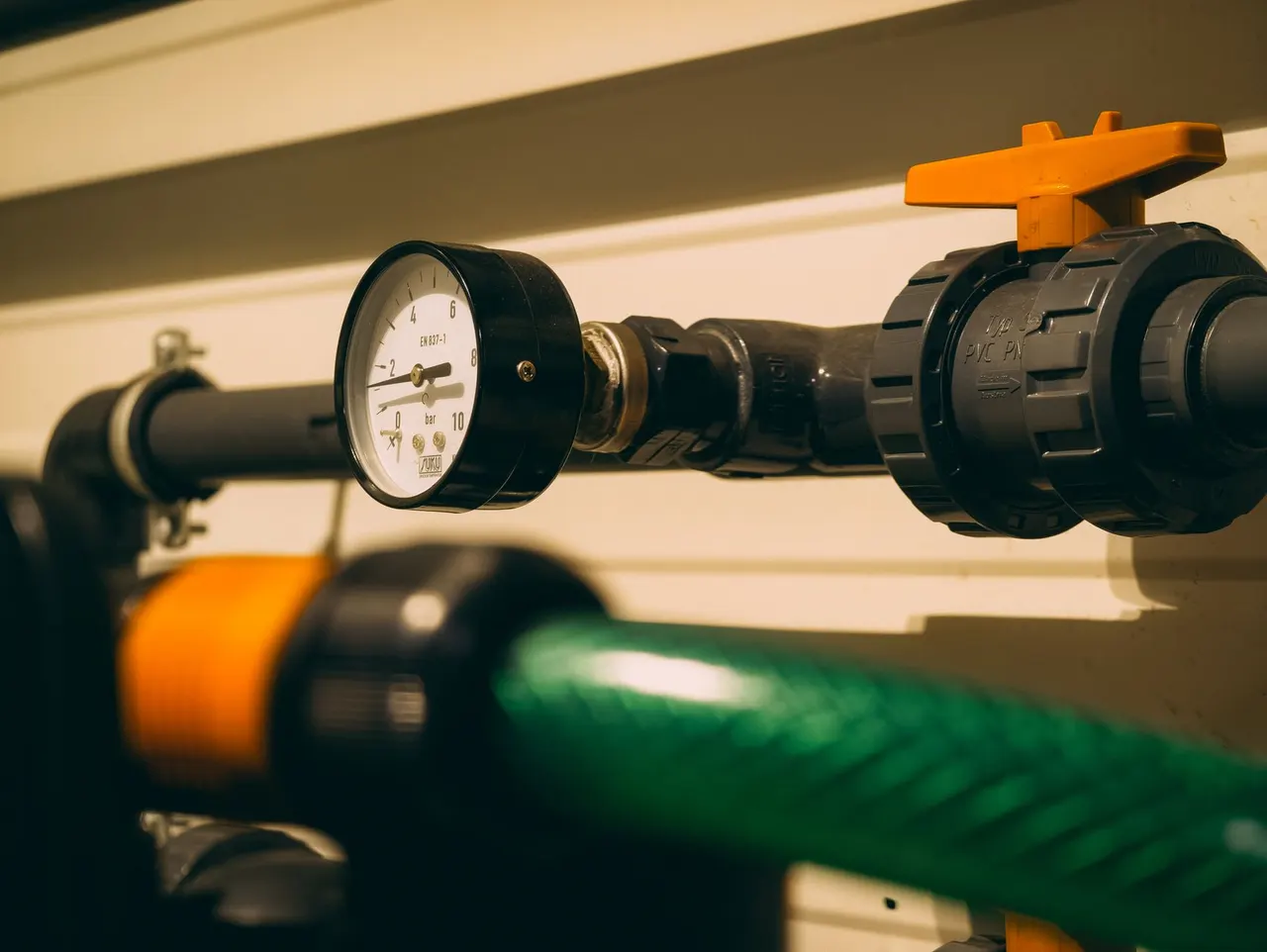
A slab leak or a hidden supply line leak can look like a sewer problem when water shows up in the basement. We use leak detection equipment to trace the source, so you are not paying for a sewer dig when the real issue is a copper pipe under the floor.
View serviceCall us at (800) 248 0204 or send an email to info@columbusplumbingexperts.com. We answer the phone 24/7 for emergencies and schedule regular appointments Monday through Friday. Most calls placed before noon get a same-day visit.