Focused arrival windows
Useful updates and clear arrival timing.
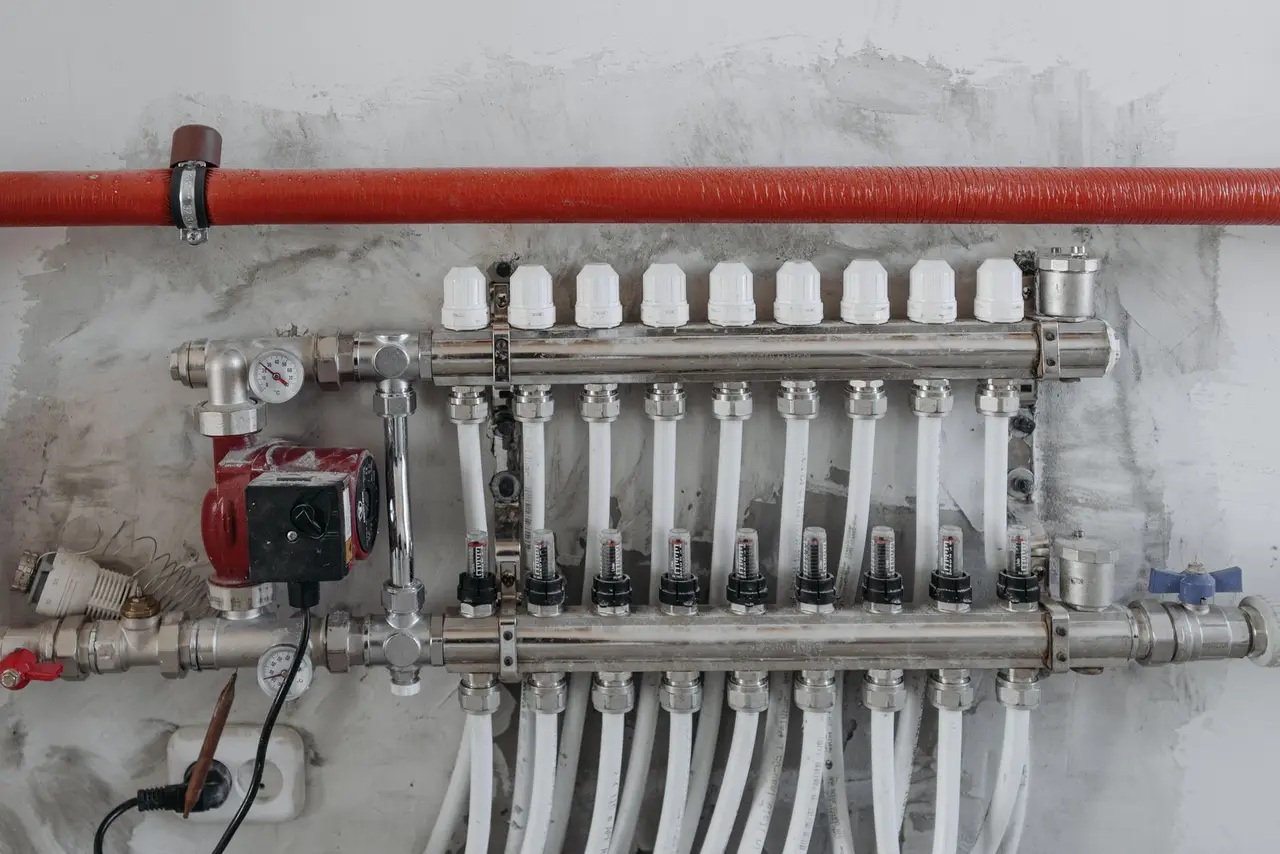
When a pipe bursts at 2 a.m. or your basement drain backs up before a holiday, Emergency Plumbing Services in Columbus from our licensed crew get water off your floor and your system back online. We run 24/7 trucks stocked with copper pipe, PEX tubing, and press tools, so most repairs finish in one visit. Call (800) 248 0204 and a real plumber answers.
Useful updates and clear arrival timing.
Review the approach and price before deciding.
Equipped vehicles and respectful cleanup.
Neighbors serving neighbors with follow-through.
Every emergency visit starts with a full diagnosis and a flat price before we touch a wrench. Here is what comes standard on a call, and where a job may need a separate quote if the scope grows once we open up a wall or floor.
We trace the problem to its source using a sewer camera, leak detection equipment, or a pressure test on the supply line. You get a plain-English explanation of what failed and why, plus a photo or video of the problem when the equipment captures one.
You see the total price before work starts, including parts and labor. No hourly meter, no trip charge on top, no surprise line items after the fact. If the job needs a permit, the permit cost is in the quote.
Our trucks carry copper pipe, PEX tubing, PVC and ABS pipe, fittings, solder, and press tool heads. Most burst pipes, clogged drains, and failed shutoff valves get fixed on the first visit without a parts run.
After the repair, we pressure-test the line or camera the drain to confirm the fix holds. You see the test result before we pack up. If something is not right, we stay until it is.
We remove old parts, wipe down the work area, and haul everything out with us. You do not come home to a pile of scrap copper and wet towels in your basement.
Share what is happening and receive a clear next step from the local team.
Emergency Plumbing Services in Columbus is licensed plumbing work performed outside normal business hours to stop active water damage, restore flow, or make a failed system safe until a full repair is complete. That means shutting off a burst pipe, clearing a sewer backup, pulling a failed water heater, or finding a slab leak before it warps your flooring. We carry pipe wrenches, drain snakes, hydro jetters, and leak detection equipment on every truck, so the first visit is usually the only visit.
Columbus plumbing fails on a schedule you can almost predict. January cold snaps freeze exposed lines in older Clintonville homes, spring storms push root intrusion into clay sewer laterals, and summer heat cooks water heater anode rods down to nothing. If you search for an emergency plumber near me Columbus OH open now at 11 p.m., you get a dispatcher, not a voicemail. We quote the repair before we start, and we clean up the work area before we leave.
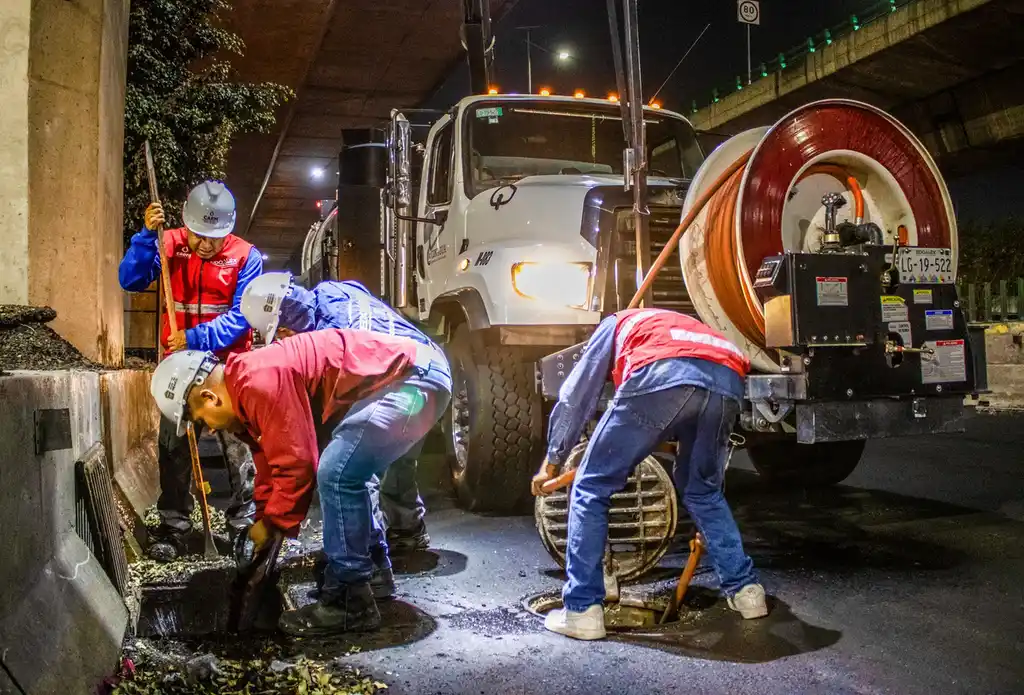
You reach a live dispatcher in under 30 seconds. We ask three questions: where is the water, is the main shut off, and is anyone in danger. Then we tell you what to do while the truck rolls, usually shutting the main valve or killing power to the water heater.
We assign the nearest technician and text you their name and ETA. Most Columbus calls get a truck in 60 to 90 minutes. If you are in German Village or Clintonville, we often beat that because we stage vehicles on both sides of the city.
The tech finds the source with a sewer camera or leak detection equipment, then explains what failed and what it takes to fix it. You get a flat price before any work starts. No hourly meter, no surprise line items.
We cut out the failed section, install new copper pipe or PEX tubing, and pressure-test the line. A drain job gets a drain snake or hydro jetter, then a camera pass to confirm the line is clear. Most repairs run two to four hours.
We haul out old parts, wipe down the work area, and show you what we replaced and why. You get a written summary of the repair and any warranty coverage. If we spot a second problem forming, we tell you now instead of after it floods.
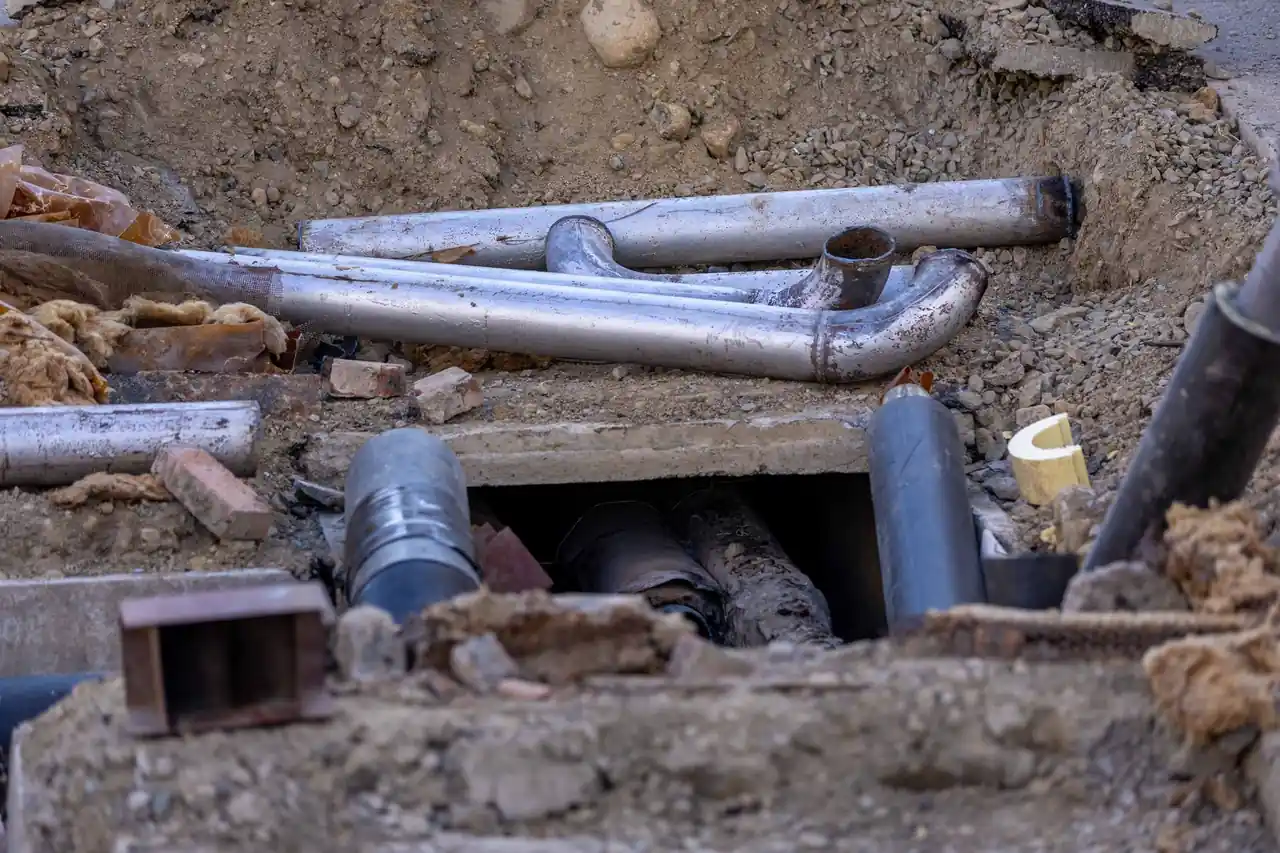
We push a camera down the lateral to see exactly what is blocking or breaking the line. You watch the footage with us, so you know what you are paying to fix.
High-pressure water scours grease, scale, and roots off the pipe walls. It clears blockages a drain snake cannot reach and leaves the line cleaner than it found it.
A Milwaukee or RIDGID press tool makes copper and PEX connections in seconds without an open flame. Faster, safer, and just as code-compliant as soldering.
Acoustic and thermal sensors find hidden leaks behind walls and under slabs. We pinpoint the source before we open anything up, so the repair stays small.
For everyday clogs in kitchen and bath lines, a drain snake or auger clears the blockage fast. We size the tool to the pipe so we do not scratch the walls.
Standard tools for copper repairs. A clean cut and a proper solder joint hold for decades, and we pressure-test every joint before we close up the wall.
Every repair meets Ohio plumbing code, and we pull permits when the scope requires one. Our technicians hold Ohio plumbing licenses, and several carry master plumber credentials. If an inspector is coming, we tell you what they will check.
We do not call a drain clear until we see it clear. After snaking or jetting, we run the camera back through the line and show you the result. If roots are still intruding, we quote a repair instead of pretending the job is done.
After any supply line repair, we pressurize the line and hold it to confirm no leaks. This catches a bad joint before it becomes a wet ceiling. You see the gauge reading before we pack up.
Where a backflow preventer is part of the system, our certified technicians test and document it to code. This matters for commercial properties and any home with an irrigation system tied to the main.
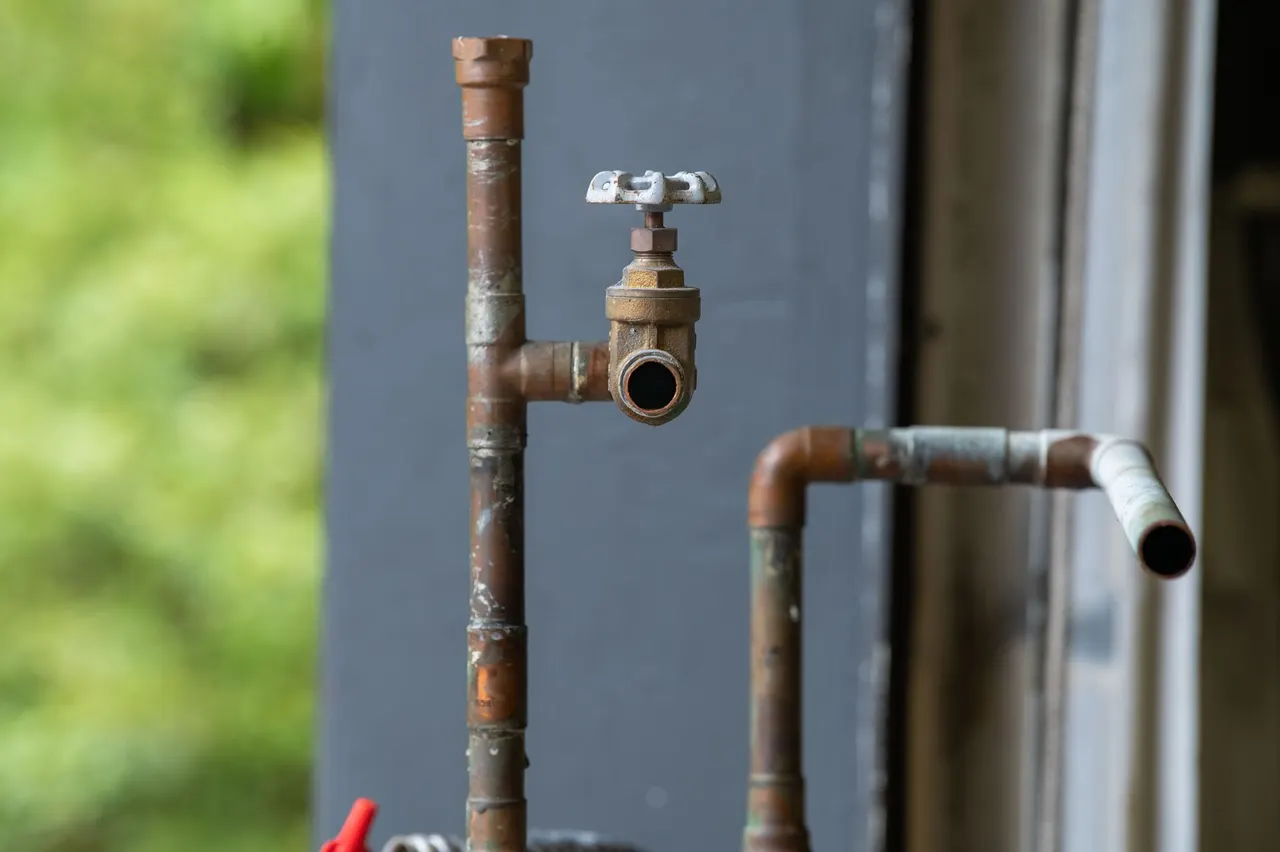
We shut off the main, cut out the split copper, and install a new section with a soldering torch or press tool. The line gets pressure-tested, and we insulate the run before we leave. Water stops spreading within the hour, and the pipe is protected against the next cold snap. Most homeowners are back to normal the same night.
We camera the lateral, find the root intrusion in the clay pipe, and jet the line clear. If the pipe is cracked, we quote a spot repair and schedule it fast. The backup clears the same visit, and you see the camera footage proving the line is open. No repeat backup the next time it rains.
We pull the failed tank, install a new Bradford White or Rheem unit, and test the connections and temperature setting before we leave. Hot water is back before the turkey goes in the oven. The old tank leaves with us, and you get a warranty summary in writing.
We use leak detection equipment to pinpoint the break without tearing up the whole floor, then repair the line through the smallest opening possible. The leak stops, the water bill drops back to normal, and your flooring stays intact except for one small access point.
Columbus plumbing problems follow the seasons. January and February bring frozen pipes in older homes with uninsulated crawlspaces, especially in Clintonville and the University District. Spring rain pushes root intrusion into the clay sewer laterals common in German Village and other pre-1950 neighborhoods. Summer heat cooks water heater anode rods, and by fall you are looking at a failed tank. Our trucks stage on both sides of the city so a 24/7 plumber near me Columbus call gets a fast response no matter which side of the I-270 outerbelt you are on. We know which ZIP codes have galvanized supply lines that fail at the threads, which have cast iron drains nearing the end of their life, and which flood basements first when a storm cell parks over Franklin County. That local knowledge cuts diagnosis time and gets you a real fix instead of a guess.
Brick streets and pre-1950 homes mean clay sewer laterals and cast iron drains. Root intrusion is common, and we camera every main line before quoting a repair.
Older bungalows with crawlspaces and galvanized supply lines. Frozen pipes are a January staple, and we insulate runs after every repair to prevent a repeat.
1990s subdivisions with PEX and copper supply lines. Water heater failures and slab leaks are the calls we run most often out here.
Mix of older downtown homes and newer builds. We see clogged drains and failing shutoff valves on the older side and warranty-era plumbing on the new side.
Exposed pipes in crawlspaces and exterior walls split when temperatures drop below 20 degrees for more than a day. We see a spike in burst pipe calls during every cold snap, and we stage extra trucks to keep response times under 90 minutes.
Clay pipe cracks and invites roots. German Village and other pre-1950 areas see the most sewer backups. We camera the line first, then jet or repair based on what the footage shows.
Saturated ground puts pressure on slab and foundation lines. Slab leaks and basement seepage spike in April and May. Leak detection equipment pinpoints the source without tearing up the whole floor.
A supply line split during a January freeze and sprayed water across the basement ceiling for two hours before the homeowner woke up. Drywall was soaked, and the floor drain could not keep up.
We cut out the split section, installed new copper pipe with a press tool, and pressure-tested the line to 100 psi. The repair took two hours. The homeowner ran a dehumidifier overnight and saved the drywall.
Maintenance: We insulated the run and recommended leaving cabinet doors open under the kitchen sink during hard freezes. A $12 pipe sleeve prevents a repeat.
The basement laundry drain backed up every time it rained. A camera pass showed roots pushing through a joint in the clay lateral about 18 feet from the cleanout. The homeowner had been snaking it every spring for three years.
We hydro jetted the line to cut the roots back to the pipe wall, then camera-verified the clear opening. The backup stopped immediately. We quoted a spot repair for the cracked joint and scheduled it for the following week.
Maintenance: An annual camera check each spring catches new root growth before it blocks the line. A foaming root killer every six months slows regrowth between visits.
A 12-year-old water heater started leaking from the bottom on a Friday night. The homeowner caught it early, but the tank was rusted through and the pilot would not stay lit. Cold showers for a family of five.
We pulled the old tank, installed a new Bradford White 50-gallon unit, and tested the connections and temperature setting. The job finished by noon Saturday. The old tank left with us, and the homeowner got a six-year warranty summary.
Maintenance: We replaced the anode rod at install and recommended checking it every three years. A $40 rod swap extends tank life by years and costs far less than a new unit.
Most emergency calls fall into a handful of categories, and each one gets worse the longer it sits. Here are the problems we see most in Columbus and what happens if you wait.
Water spreads fast, warps flooring, and starts mold growth within 24 to 48 hours. Drywall and insulation often need replacement if the leak runs overnight. We shut off the main, cut out the split section, and install new copper pipe or PEX tubing. The line gets pressure-tested before we leave. Most burst pipe repairs finish in two to three hours, and we haul the old pipe out with us.
Raw sewage in a basement or laundry room is a health hazard and a cleanup nightmare. Repeated backups usually mean root intrusion or a collapsed clay lateral. We camera the main line, locate the blockage or break, and clear it with a hydro jetter or drain snake. If the lateral is cracked, we quote a spot repair or replacement. You see the camera footage before and after.
A leaking tank can dump 40 to 60 gallons onto your floor before you notice. A failed heating element leaves you with cold showers and no warning. We diagnose the failure, replace the anode rod or heating element when the tank is sound, and swap the unit when the bottom has rusted through. Rheem, Bradford White, and Navien replacements usually finish the same day.
A frozen line that thaws without a split is lucky. A split line sprays water inside the wall cavity, and you may not see it until the drywall stains or the ceiling sags. We locate the split with leak detection equipment, open the wall as little as possible, and replace the damaged section. We also insulate the run so the same pipe does not freeze again next January.
Call (800) 248 0204 and a live dispatcher answers 24/7. We cover all of Franklin County and send the nearest licensed technician, usually within 60 to 90 minutes. Have your address and a quick description of the problem ready, and shut off the main water valve if you can reach it safely.
Most calls get a technician on site in 60 to 90 minutes. We stage trucks on both sides of Columbus, so German Village, Clintonville, and the I-270 outerbelt suburbs all fall inside that window. During a citywide freeze event, times stretch to two to three hours, and we tell you that upfront.
Yes. We run 24 hour plumbing repair Columbus coverage every day of the year, including holidays. Nights, weekends, and holidays bill at the same flat rate as a weekday call. A burst pipe at 3 a.m. gets the same crew and the same pricing as a 3 p.m. call.
Active water where it should not be, no water where you need it, or a sewage problem. Burst pipes, slab leaks, sewer backups, failed water heaters, and frozen pipes that have split all qualify. A dripping faucet can wait until morning. If water is spreading across your floor, call now.
Not seeing your question? Our local team can help you understand urgency, scheduling and what to expect.
Ask the local team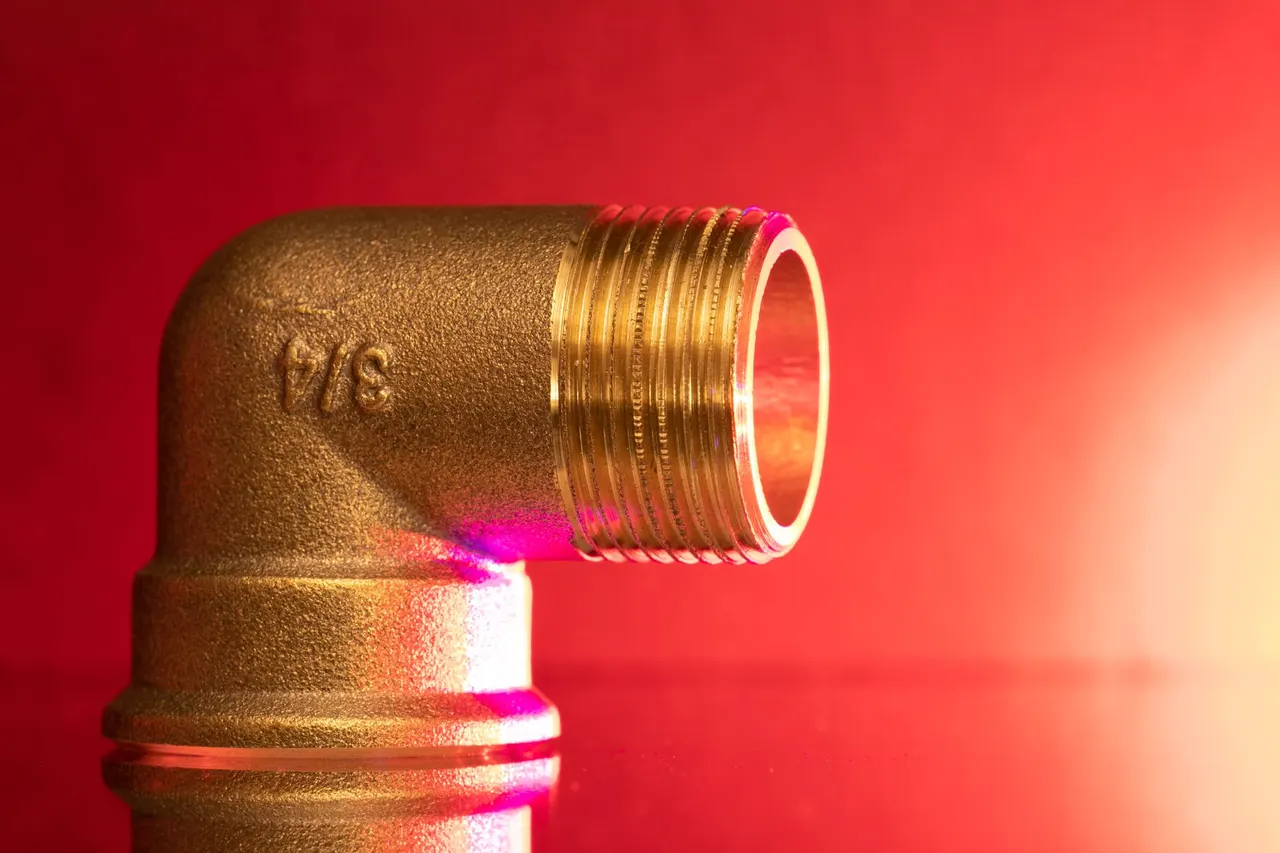
A backed-up drain is the most common emergency call we run. We clear clogged drains with a drain snake or hydro jetter, then camera the line to confirm it is clean. If root intrusion is the cause, we tell you before it becomes a sewer backup.
View service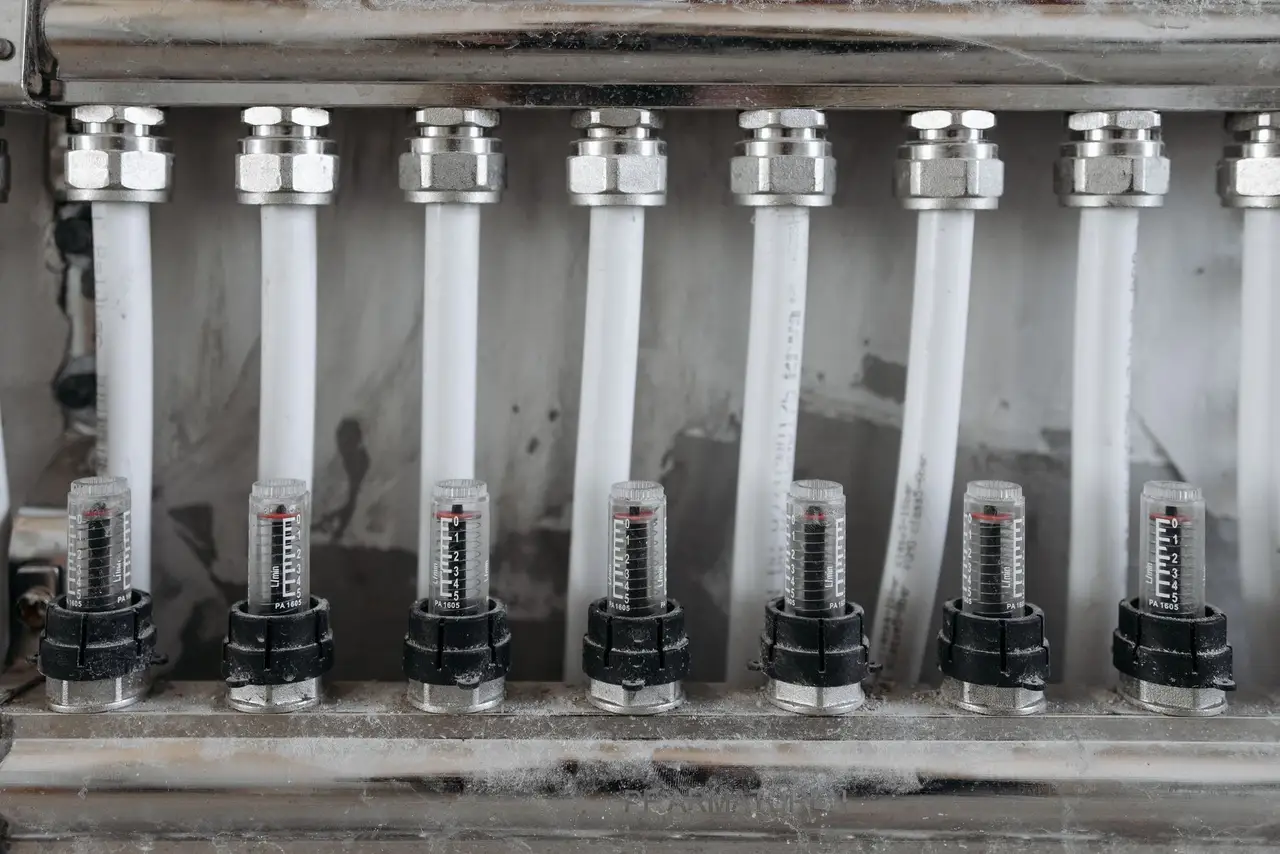
Cold showers and puddles under the tank are water heater failure signs. We repair Rheem, Bradford White, and American Standard units, replace anode rods, and swap tanks when the bottom has rusted through. Most repairs finish the same day.
View service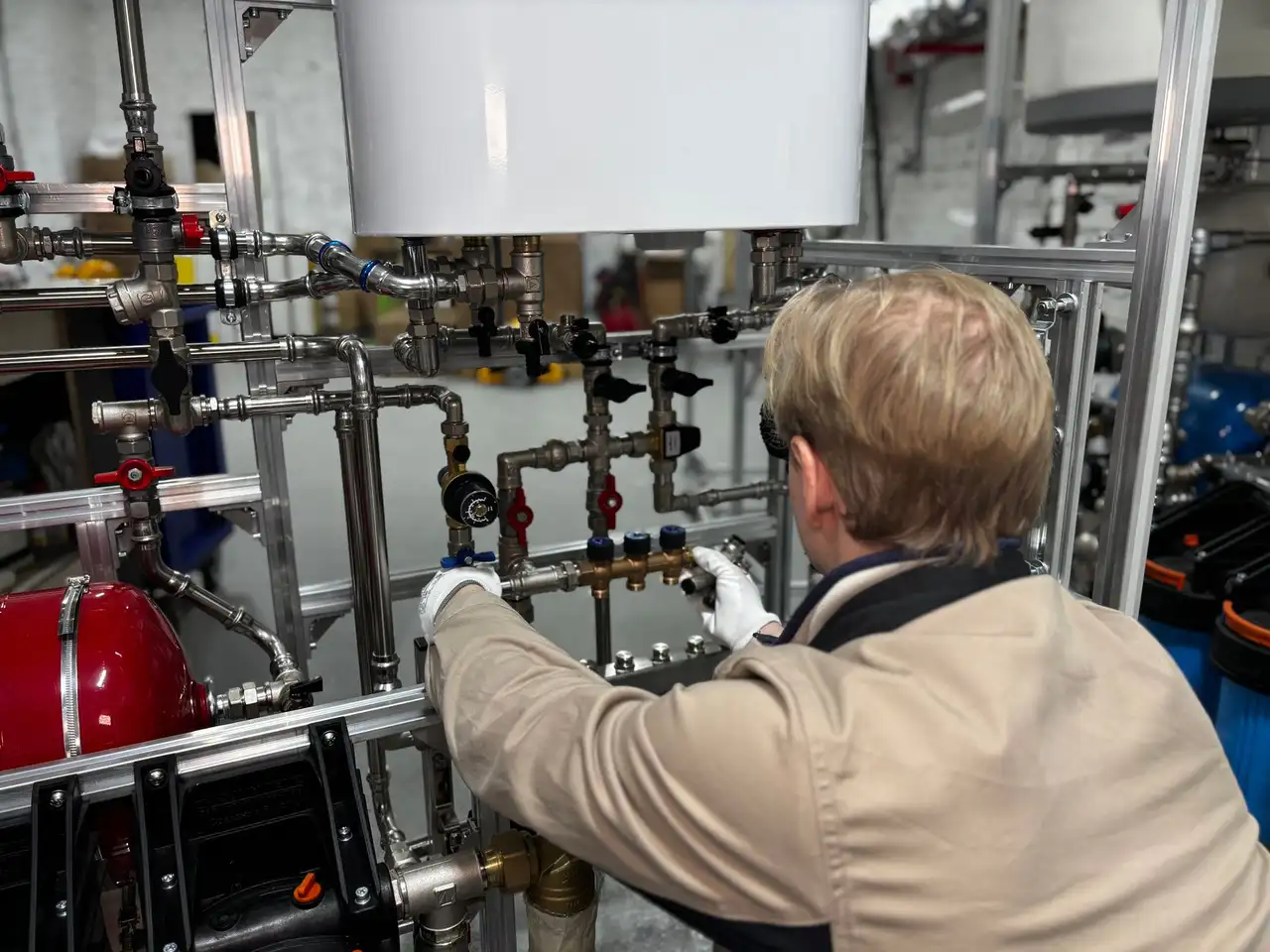
Sewer backups and slow drains across the whole house point to a main line problem. We camera the lateral, locate the break or root intrusion, and repair or replace the failed section. Clay laterals in older Columbus neighborhoods are the usual suspects.
View service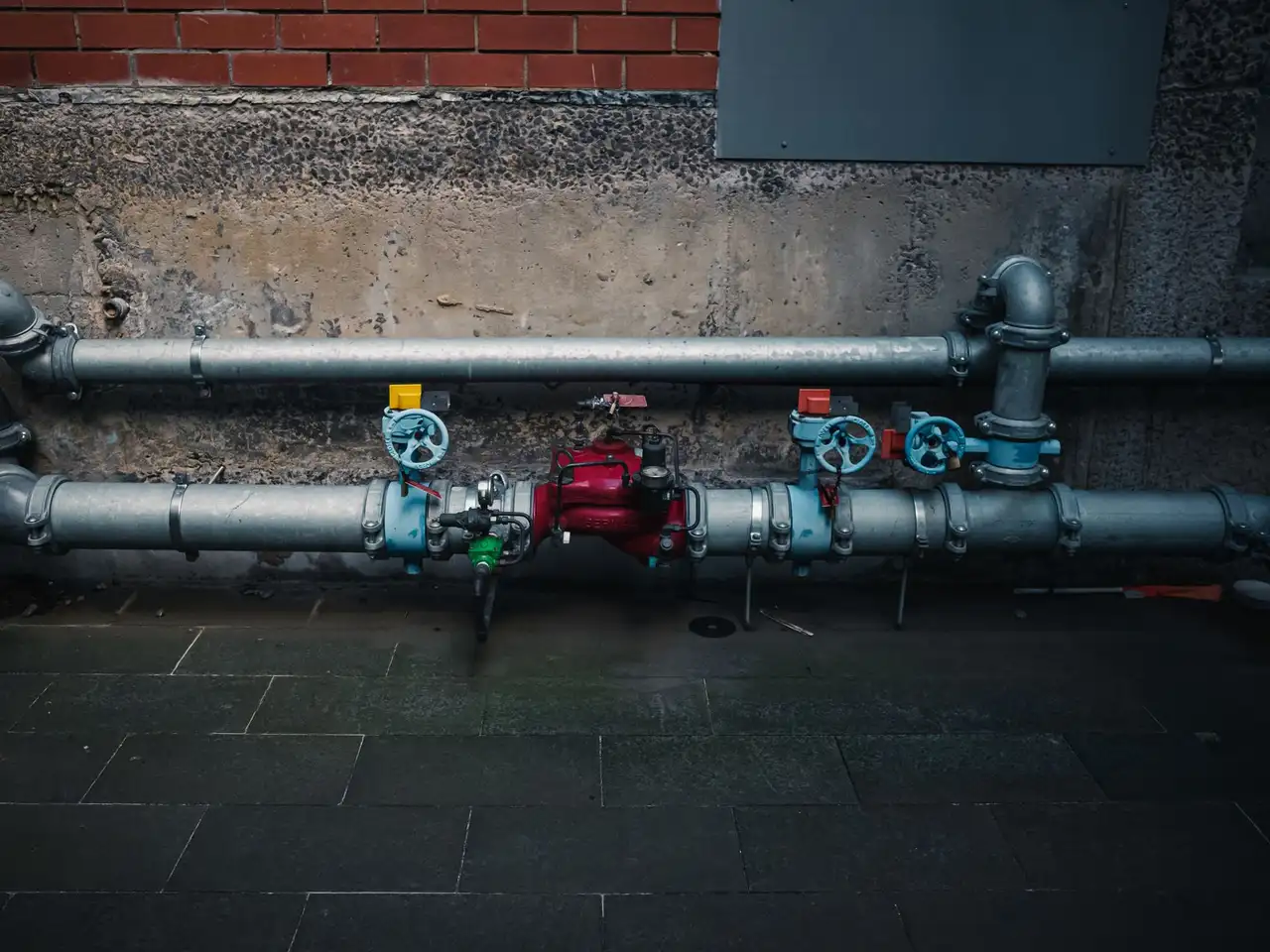
A slab leak or hidden supply line leak can run for weeks before you notice. We use leak detection equipment to pinpoint the source without tearing up your floor, then repair the line and pressure-test it before we leave.
View serviceCall us at (800) 248 0204 or send an email to info@columbusplumbingexperts.com. We answer the phone 24/7 for emergencies and schedule regular appointments Monday through Friday. Most calls placed before noon get a same-day visit.